
Skip to content

Blue spaces, waterways, lakes and the sea are essential spaces for a lot of our sport and physical activity. To keep taking part in the activities we love, these natural environments need to be taken care of.

Many are unsure of how to do this, where responsibility lies for these blue spaces or what the impacts might be if they fail to look after them. 

There’s a lot to consider for clubs and community organisations wanting to become more environmentally sustainable. Patience and a willingness to learn is essential to keep making small steps and start seeing bigger positive changes. 

We caught up with Judith Wilkinson, co-founder of the Environmental Action Group at Warsash Sailing Club (WSC).
Who are WSC?

WSC are a sailing club based on the River Hamble in Hampshire.

Predominantly a volunteer-led club with around 1300 members, WSC provide sailing opportunities to people from five to 90 years old.

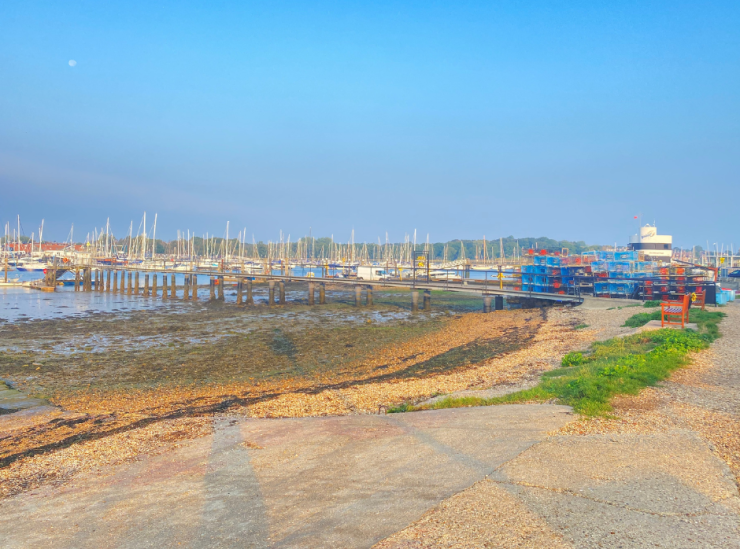
A view from the shore of a jetty, water and boats at Warsash Sailing Club.

Each year, the Surfers Against Sewage app provides data highlighting the deteriorating quality of water, due to sewage spills and an increase in the amount of litter in the river.

This is having a negative impact on the environment and affecting WSC’s sport. For the first time in the club’s history, they had to cancel a racing event recently due to a sewage spill into the river. 

The club realised how reliant they are on their surrounding environment, water and coastline and decided it was time to take action.

Environmental Action Group

 Judith, alongside another WSC member, Stuart Henderson, created an Environmental Action Group, dedicated to raising awareness and protecting the marine environment in the River Hamble.

Their first action was developing a clear mission statement. This plan sought to embed sustainability across their whole organisation and provide WSC with clear targets to drive them forwards. 

The action group set out to meet once a month, regularly bringing in people from different parts of the sector to provide expert guidance and share new ideas. 

The group also publish a monthly ‘Keen to be Green’ newsletter for members that raises awareness of environmental issues and provides useful information.

During their meetings, the group discuss three specific topics to help achieve their mission and address known environmental challenges. These include:

  • Water quality

    The club regularly communicate with the Royal Yachting Association (RYA) and Southern Water to see how they can support and maintain water quality.

    They actively encourage their members to get involved with initiatives that help protect the environment, such as The Green Blue Pledge.

    Hide
  • Coastal management

    The club host beach clean days several times a year to maintain the quality of their local coastline while improving social cohesion and connection.

    They work alongside the Hampshire and Isle of Wight Wildlife Trust to complete beach surveys to gather data to conserve and protect marine life.

    Hide
  • Carbon footprint

    • They’ve recently renegotiated with their energy supplier to use 100% renewable energy sources, saving thousands of pounds each year while raising awareness of energy efficiency with members.
    • The club are placing additional recycling bins around the venue and have started to recycle their cans at ‘cash for cans’ recycle centres, which helps raise funds for the Hampshire and Isle of Wight Air Ambulance service.
       
    • They’re working alongside the council to prioritise the use of local recycling facilities and maximising any available initiatives.
       
    • They’ve also set up a lost property room, which allows people to reclaim lost items or purchase used clothing to support waste reduction.
       
    • WSC are changing to eco-friendly cleaning products, which are designed to be easily recyclable and minimise water pollution. 
       
    • They have a section on their main website which aims to educate their community about recycling, covering everyday items as well as specialist equipment such as wetsuits and sails.
    Hide

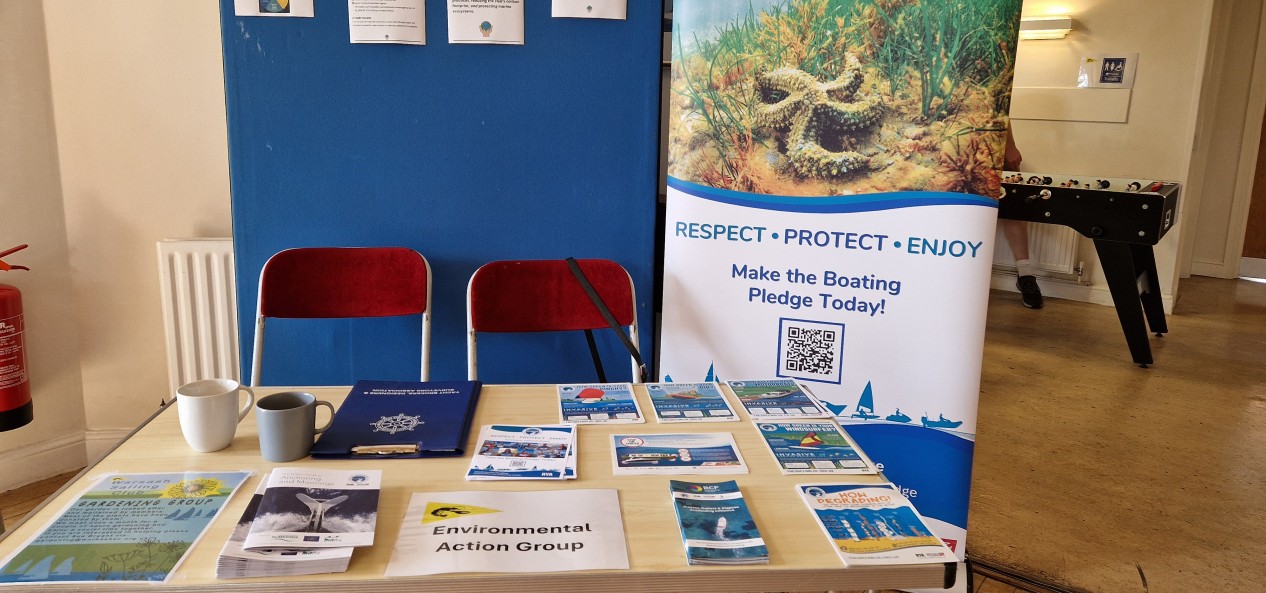
Table and banners at Warsash Sailing Club's open day, featuring leaflets and information on environmental sustainability.

Partnership working

WSC are prioritising partnership working to make the biggest difference. They’re connecting with local experts to help educate their members and maintain momentum towards their goals. Some of the organisations they work with are: 

  • Hampshire and Isle of Wight Wildlife Trust – providing ongoing support and guidance for the club with many members of the Environmental Action Group also volunteering for the Wildlife Trust. 
     
  • Final Straw Foundation – providing support for beach clean days and actively tackling microplastic and sewage pollution across the UK. 
     
  • Royal Yachting Association – strong connections are being built with their national governing body and they’re hoping to become recognised for their work tackling environmental issues.
     
  • Eco Drift – supporting the club with the implementation of environmentally friendly cleaning products. 

Challenges

WSC are at the early stages of their sustainability journey and, despite their hard work and efforts, are facing lots of challenges. 

Youth representation in the Environmental Action Group
The club recognise the busy lives of young people, which has made it challenging to attract them to their monthly meetings.
Taking action
WSC feel confident in discussing their plans and ideas for positive change, but practical steps require careful consultation with WSC’s management team.
Members’ buy-in
It can sometimes be a challenging task to raise awareness and convince members of the benefits and need for environmental change.
Funding
While the management committee are supportive in principle, environmental initiatives often require upfront costs which must compete with other club expenses and investment.

Top tips

WSC are determined to become more environmentally sustainable and are committed to the long process and continuous hard work.

They’ve shared some top tips to help kickstart other organisations’ journeys: 

  • Establish a clear mission statement so everyone is aware of your aims and targets.
     
  • Communicate to make sure everyone in your organisation is aware of the latest news, events and upcoming focuses.
     
  • Partner with other organisations and experts to reach goals together and be supported by expert advice. 
     
  • Start with things you can control; make small changes to contribute towards the long-lasting impacts.
     
  • Celebrate your work and show people the successes, small wins and benefits.