
Skip to content
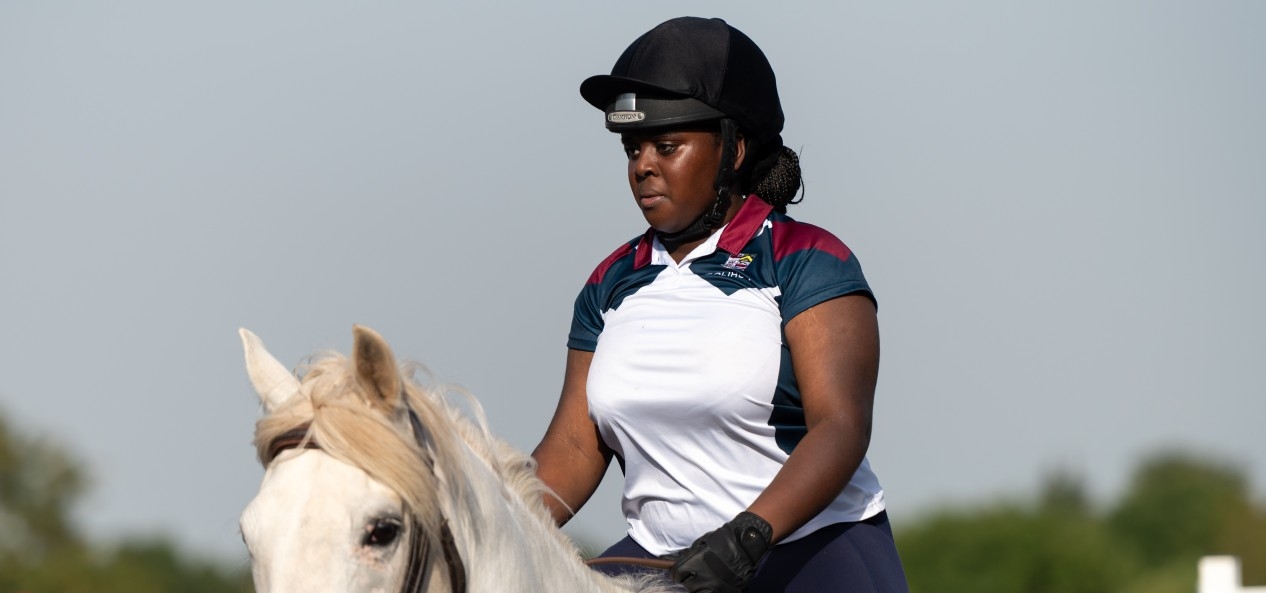
A young Black woman rides a horse during an equestrian event.

The following scenario has been developed to enhance inclusion practices when it comes to supporting diverse ethnic communities. Ethnicity refers to a group of people who share the same national, racial or culture origins. 

By working through the scenario below, you can gain a better understanding of how to respond to, and meet the needs of, different ethnicities and create a welcoming environment where everyone feels included and can benefit from being physically active.

The scenario has been constructed to reflect situations that you might encounter; any names or organisations used are fictional to aid your understanding.

The sport or activities referenced throughout these scenarios are also provided for context and aren’t intended to reflect the approach taken or promoted by any national governing bodies of sport.
We recognise that individuals from ethnically diverse communities have different needs and face different challenges and barriers to being active.

Individuals can also have additional needs or experience further challenges or barriers if they’ve one or more protected characteristic (a term often referred to as intersectionality).  

While this scenario focuses on one individual, it’s been designed to provide some key takeaways and transferrable considerations to help your organisation become more inclusive to diverse ethnic communities.

Remember, people from similar backgrounds can still have differing needs and motivations; use a person-centred approach to avoid assumptions, stereotyping or other harmful behaviours.

The following three-part scenario features Rami. Rami is a 25-year-old Black British male who has always enjoyed physical activity and has been a member of his local swimming club for the past five years.

Rami has had a positive experience at the club and has always been made to feel welcome, but he’s aware that he’s the only member at the club from an ethnically diverse background. 

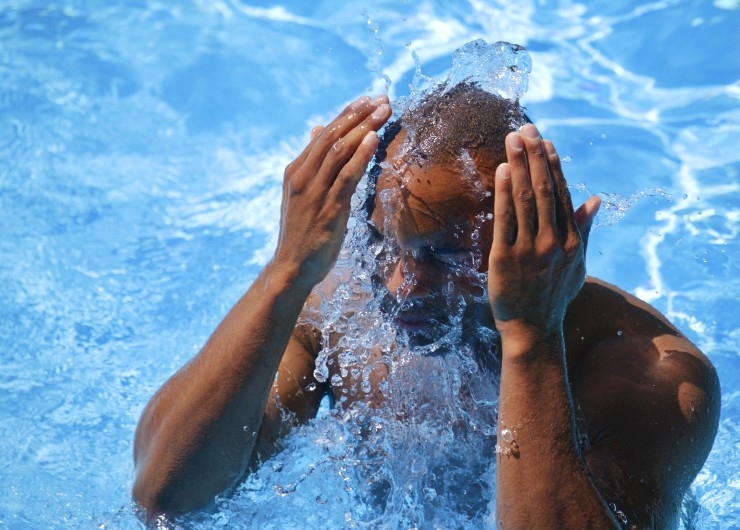
A man splashes water on his face in a swimming pool.

As you work through this scenario, consider how you would respond, then click on the dropdown to understand the impact of your response. Responses are not monitored; be honest in your approach to get the most out of this learning experience.