Skip to content
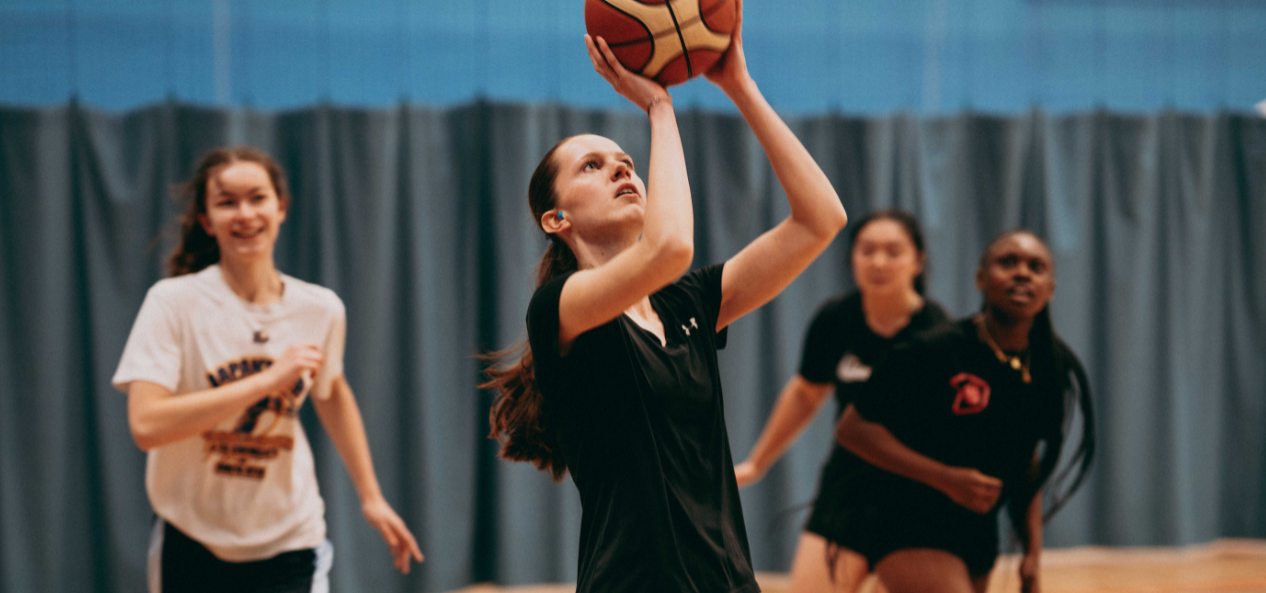
Girls playing basketball
  • Are you aware of the universities and colleges that are local to you?
  • Do you connect with them for activities, events, fundraising or facility use?

Universities and colleges play a key role in allowing young people to stay connected, or begin their journey, with sport and physical activity. They provide opportunities for people to take part, try new sports and develop skills through coaching, volunteering or being on organising committees. 

With lots of people reporting difficulties with recruiting volunteers or finding new facilities, building a relationship with local universities and colleges could help tackle some of the barriers your club or community organisation may be facing.

Top tips

Create a plan

Develop a clear plan and check the university or college website to understand what facilities and provisions they have in place. Understand how they may already engage with the community and what their strategic priorities are around sport and physical activity before you reach out.

Be ready to adapt

Academic schedules can change each year, so be open-minded and prepare for situations which may be out of your control.

Create a mutually beneficial partnership

Take the time to communicate with the university or college and see how you can both benefit from a partnership. A mutual understanding can have the greatest impact on improving people’s experience with sport and physical activity.

Look to develop

Once the partnership has been formed, be open to explore new ways of working that can help the relationship develop and grow.

Universities and colleges

Colleges are institutions of further education where students can gain qualifications such as A-levels, BTECs and other academic achievements.

They typically act as a stepping stone between secondary schools and higher education (universities), where people can study undergraduate or postgraduate degrees.

Although their primary aim is education, universities and colleges can play a powerful role in a person’s social life, community connections and physical activity opportunities.

In these settings, sport and physical activity is supported by British Universities and Colleges Sport (BUCS) and the Association of Colleges Sport.

Many universities and colleges are renowned for their excellent sporting facilities and pathways leading to national or international sporting representation, but they also provide great social and recreational opportunities enabling people to participate regardless of their skill, background or ability.

Girl playing Rugby

Why should your organisation work with universities and colleges?

Building a strong connection with your local university or college can have great benefits.

It can provide further activity opportunities, tackle barriers your club or group might be facing and develop stronger cohesion across the local community.

Other benefits could include:

1
Access to facilities
University and college facilities may be available for your organisation while generating income for the university or college. These venues are often high quality, well equipped and safely managed.
2
Reduce costs
It might be possible to share resources and equipment to divide and split the costs associated with running a community club and university or college group.
3
Support with events
Universities and colleges could help provide support for organising community events such as tournaments or fundraisers.
4
Attract new members
You can promote your offer to university clubs or around campuses and notice boards to attract new participants and diversify your member base.
Recruit new volunteers
Some university students may be seeking volunteering opportunities as part of a placement module (a requirement for some degrees) or are part of their club committee or volunteer programme and interested in supporting their local community. You might be able to financially support them in coaching qualifications while they volunteer their time for you.

There are many benefits to the universities and colleges too. When discussing a partnership, see how you can include these to make any collaboration even more appealing:

Raising awareness

Partnering with community groups can enhance the university or college's profile and recognition within the local community.

This is particularly true for universities where more students are choosing to be commuter students and remain living at home. Universities have an opportunity to engage young people who could be their future students.

Steady income

Providing organisations with a regular venue is a great way to secure a consistent revenue stream and maximise the use of facilities, particularly during Easter, summer and winter months when students might not be using the venues.

Placement opportunities

Sports clubs and community groups are a great place for students to complete placement modules or required volunteering hours as it could help develop their knowledge and skills required for their degree.

Coaching support

Your club or community group may have qualified coaches who can help support the delivery of sport at universities or colleges. It may be possible to negotiate facility hire in exchange for coaching support.

Key considerations

When looking to collaborate with universities and colleges, it’s important to understand your organisation’s aims and objectives, develop an awareness of how the university or college operates and consider whether their practices and policies align with yours.

  • Do you understand the university or college schedule and requirements?

    Students typically have priority to access facilities and are most likely to complete training sessions during peak times, such as midweek evenings, to fit around their academic timetables. Fixtures don’t tend to happen on a weekend, with a lot of sport taking place on Wednesdays.

    Students who volunteer or coach may not always have the required qualifications or training needed to work with certain groups, such as safeguarding training or enhanced DBS checks when working with young people.

    Hide
  • When’s best to work with universities or colleges?

    Students will have busy periods for exams, which may limit their availability for volunteering or coaching; during these times sports halls can also be turned into exam rooms and become unavailable.

    There are also times of the year where universities and colleges close for holidays, which may impact the access to facilities and resources.

    Hide
  • Are the venues safe and suitable?

    Universities have lots of students, visitors, partners and sometimes tourists on site. So consider whether your organisation is comfortable and safe in those environments and how best to navigate busy areas and publicly accessible venues.

    It’s also important to consider how accessible the university or college site is, whether they have the appropriate health and safety measures in place and if any reasonable adjustments can be made to accommodate the access requirements of your people and volunteers.  

    Hide
  • Is your partnership sustainable?

    University courses typically last around three years, with committee members for sports clubs changing annually, and students are often at college for a two-year period. 

    When looking to recruit long-term volunteers or block book training space, it’s worth considering a flexible and more sustainable approach to avoid disappointment when students move on and academic years start afresh. 

    Hide

How can you effectively work with universities and colleges?

Identify the right contact 

Explore the university or college’s website and try to identify the best point of contact to make a connection with. This could be the head of sport, a sport development officer, student representative or facilities manager.

If you don’t receive a response from your initial communications, try different members of staff.

Follow policies and procedures

Each university has their own set of unique policies and procedures which must be adhered to. Your organisation should be aware of these when:

  • using facilities and noting facility regulations
  • managing health and safety
  • developing collaborative partnerships
  • following safeguarding policies
  • adhering to first aid procedures
  • creating risk assessments
  • managing insurance policies.

Form a development pathway

The partnership could go beyond sharing facilities and resources.

By building a stronger relationship and working on future development opportunities, you can create a clear and inspiring pathway for young people to engage with further and higher education, and physical activity. 

Co-design your approach

Gather input from academic staff as well as those you want to engage with.

This will help ensure positive experiences are created for everyone without making assumptions about people’s needs and motivations.

Marketing and communications

You can ask universities or colleges if they can promote your offer in sport newsletters, emails, open days and around the campus to help attract new members or volunteers.

In return, you can agree to promote their events, research and projects through social media or club communications to the wider community.