Sorry, you need to enable JavaScript to visit this website.
Skip to content
A woman holds a barbell above her shoulders in a gym.
  • Have you created an environment where people feel safe to take part in sport and physical activity?
  • Are you aware of your responsibilities when dealing with safety concerns? 

Community clubs and organisations work hard to create safe, and supportive environments, but incidents of harassment, stalking and unwanted attention can still occur. 

These behaviours can have a significant impact on someone’s life and their experience of sport or physical activity, reducing their confidence, motivation and willingness to participate or volunteer in the future.

Anyone can be affected by harassment or stalking, but incidents are more prevalent for women and girls, particularly in environments such as gyms, leisure centres, sports clubs and other physical activity settings. 
Top tips

  1. Recognise the signs. Ensure trusted adults within your organisation are familiar with the signs and behaviour changes that may appear if someone is experiencing harassment or stalking. Spotting these early can help you respond safely and sensitively.
     
  2. Create a safe space. If someone seems unsettled, check in with them privately and give them the chance to talk to someone they trust without pressure or judgement. 
     
  3. Follow your procedures. Follow your organisation’s safeguarding processes to report and respond to concerns.
     
  4. Prioritise training and awareness. Provide your workforce with appropriate training so they feel confident in recognising, handling and reporting incidents.

What’s harassment and stalking?

Harassment and stalking are closely related, both are criminal offences, but they have differences that are important to understand. 

Harassment

The Protection from Harassment Act 1997 defines harassment as unwanted behaviour that happens two or more times and makes an individual feel distressed or threatened. 

The Equality Act 2010 defines three types of harassment: sexual harassment, harassment related to protected characteristics, or treating someone less favourably as a result of rejecting previous unwanted behaviours.

Stalking

This is a form of harassment, but involves a pattern of obsessive behaviour, which causes an individual to feel scared or fear violence (Suzy Lamplugh Trust).

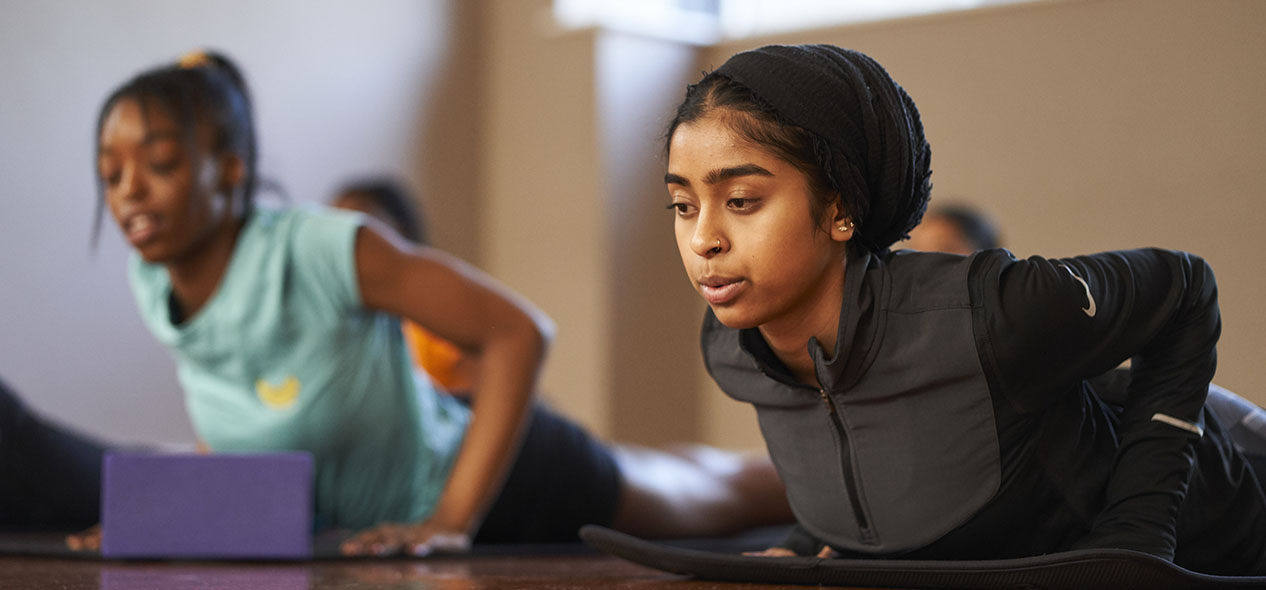
Two women perform a yoga pose while laying face down on the ground

What can harassment and stalking look like in sport and physical activity?

Incidents can look different in each case; some may be obvious, others may be more subtle and easily overlooked. 

Harassment can include: 

  • making inappropriate, intrusive or abusive comments about someone’s appearance
  • sending or posting abusive, insulting or sexualised messages or images
  • watching or staring at someone while they exercise
  • taking photos and videos without consent
  • causing damage to property or belongings
  • repeatedly approaching someone after they’ve indicated they’re not interested
  • unwelcome behaviour such as touching, groping (physical contact without consent) or other sexual advances
  • threatening to share private information, photographs or copies of messages.

Stalking can include: 

  • repeated attempts to contact or follow someone
  • turning up uninvited at someone’s home or places they regularly visit
  • using technology to watch, spy on, or track movement and activities
  • monitoring electronic devices, including contact records, internet use and other forms of communication
  • accessing someone’s social media, email, or other personal accounts
  • identity theft, such as signing up for services or making purchases in their name.

What’s the potential impact of harassment and stalking?

Some examples above may not feel damaging in isolation, but incidents of harassment and stalking can have a significant impact on an individual and their sense of safety and belonging.

Those affected may:

  • stop attending sessions or be reluctant to attend without checking who else is attending
  • avoid certain facilities or change their routines
  • become less confident or more anxious
  • appear distressed when receiving messages or calls
  • distance themselves from others (including teammates and coaches)
  • lose concentration or appear preoccupied.
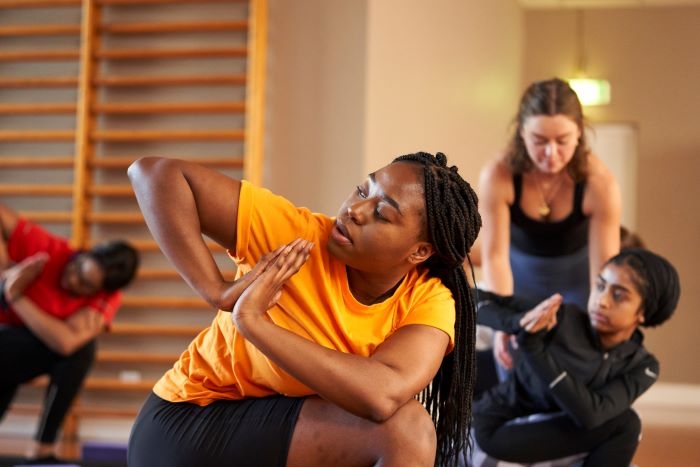
Young women are taking part in an exercise class in a hall, their hands are clasped as though in prayer

For some, it can be difficult to speak up or seek help, often due to concerns that their complaint won’t be taken seriously, or from a fear of further abuse.

It’s important that clubs and community organisations recognise the signs and behaviours associated with harassment and stalking to take appropriate action.  

When can incidents occur?

Sport and physical activity can have many benefits, bringing together people of different ages, genders, ethnicities and backgrounds. 

However, it can also create uncomfortable environments and potentially lead to incidents of harassment or stalking, for example when:

People are walking home alone after sessions, particularly when it’s dark.
Venues are publicly accessible, such as parks and leisure centres, or on public transport.
People have access to each other through social media platforms.
Activities involve young and vulnerable people.

How can you effectively respond to harassment and stalking?

  • Personal check-ins

    If you’re concerned, or something doesn’t feel right with an individual, ask a trusted adult to check in with them.

    It’s important that they don’t feel pressured but know they have someone to talk to when they’re ready. If an issue is raised, a few essential steps should be followed: 

    • Listen calmly and without judgement.
    • Believe the person and reassure them that it’s not their fault.
    • If they’re in immediate danger, call 999. If there’s no immediate danger, consider how else you can support, such as signposting to expert help.
    • Clearly explain your duty of care and responsibility to share relevant information with the appropriate people or services if you feel it’s an emergency and their safety’s at risk.
    • Follow your organisation’s safeguarding and reporting procedures.
    Hide
  • Policies and procedures

    Your organisation should already have safeguarding policies for children and adults in place, which include guidance on how to appropriately respond to issues. You could also:

    • have a code of conduct outlining the expected behaviour from everyone within, or associated with, your organisation. This may include a statement on harassment and stalking
    • have a designated point of contact, like a welfare officer, who’s responsible for dealing with issues.

    Having policies and procedures in place is important, but their effectiveness often relies on how visible and well communicated they are across your organisation. 

    Regularly promoting and sharing your policies, codes of conduct, reporting processes and expectations with participants, volunteers and staff can help to ensure understanding and reassurance that support exists should an incident occur. 

    Further support to help put policies into practice can be found through the Safer Spaces to Move guidance developed as part of the This Girl Can campaign, and Buddle guidance on policy into practice. 

    Hide
  • Safety measures

    Your club or community group can act to reduce potential risks and prevent concerning behaviours from escalating by:

    • controlling public access to your facilities and keeping certain areas locked
    • having more than one adult supervising children in changing facilities to ensure cover in the event of an accident or incident occurring, or if one supervisor is called away
    • displaying information on harassment and stalking, with appropriate contact details, on your website, social media profiles and around your facilities
    • providing access routes that are well lit, promoting lift sharing with trusted people and limiting phone use during session times
    • allocating trusted adults to wait with participants after sessions for collection, especially if they’re children or vulnerable individuals
    • connecting with community partners who can provide expert advice and guidance. 
    Hide
  • Training and awareness

    Providing your volunteers with the appropriate training can enhance their understanding and enable them to notice incidents that otherwise may go unnoticed. Consider: 

    Hide

Further support and information

Check out the Safer Spaces to Move hub, including the Operator Handbook (providing guidance on developing policies and approaches to safety), as well as these resources: