Sorry, you need to enable JavaScript to visit this website.
Skip to content
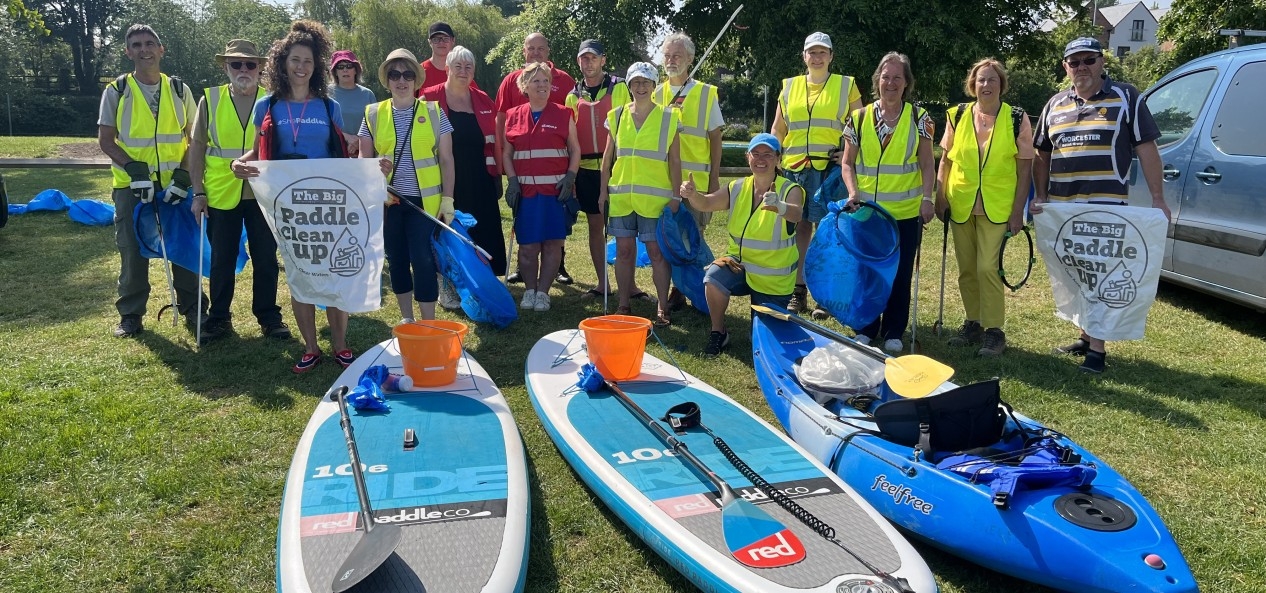
A group of people in high-vis vests pose for a photo, in front of paddle boards and a canoe, holding litter pickers and big bags

For many, the health of waterways isn’t just about looking after the environment, it’s also about protecting the spaces they love and keeping them safe to play, train or compete in. 

However, people can be unsure of how to help, and the role they can play in making blue spaces cleaner and safer for use. 

Waterways commonly refers to any natural rivers, lakers or canals (blue spaces) used for things like transport or physical activity.

The Buddle team explored the work of Paddle UK and their initiative, The Big Paddle Cleanup. Paddle UK have been cleaning waterways across the nation to ensure safe and healthy settings for physical activity. 

We caught up with Chantelle and Neil from Paddle UK to find out more about the Big Paddle Cleanup.

Top tips

Paddle UK have found great success in building The Big Paddle Cleanup and engaging a large community of volunteers across the country, all motivated to clean up the waterways. 

They’ve provided some practical tips for other organisations wanting to launch their own environmental initiatives, particularly those linked to waterway safety.

Speak to your community

Ask your members, volunteers and wider community for feedback and ideas. They may be able to offer time and support towards environmental initiatives and feel a sense of co-ownership if their ideas have been considered.

Start with a purpose

Create something that matters and resonates with your members. They’re more likely to get involved and stay motivated.

Provide incentives

Incentives, like giving volunteers rewards or certificates, can boost involvement and reinforce engagement from schools and uniform groups. For example, Paddle UK offers £5 vouchers for individuals who log and submit their cleanup findings after their Big Paddle event.

Get funding in place

Accessing adequate funding can enable your organisation to invest in resources and equipment to make clean ups safe and more effective. It’s not essential but does support larger initiatives.

Develop partnerships

Building meaningful relationships, and working with other partners, strengthens your organisation’s impact by extending your reach and ability to deliver programmes regionally or nationally.

What’s the Big Paddle Cleanup?

The Big Paddle Cleanup is Paddle UK’s yearly environmental initiative to address waterway pollution across England’s lakes, streams, canals and rivers.

It’s now become a nationwide project, bringing people together across the country, from recreational paddlers to Olympic athletes, and those who are just passionate about tackling climate change.

Based in Nottinghamshire, England, the Big Paddle Cleanup started as a community-led initiative driven by people motivated to enjoy nature and protect the environment.

Over the past five years, The Big Paddle Cleanup has grown significantly, especially since engaging uniform groups like scouts and school pupils. 

They’ve recruited over 4,000 volunteers annually; all engaged in cleaning up waterways and removing tons of rubbish along the riverbanks. 

Paddle UK have invested a significant amount of funding into The Big Paddle Cleanup, allowing them to provide these volunteers with free Big Paddle Cleanup kits which includes pickers, gloves and sacks to aid their voluntary work.  

The Big Paddle Cleanup’s impact has extended beyond the local community and has reached Olympic and Paralympic athletes like Kimberley Woods, Adam Burgess and Mallory Franklin. 

Using their profiles to raise awareness of water pollution and the Big Paddle Cleanup campaign has resulted in recognition from media and news outlets.  

Paddle UK’s aiming to boost engagement this year by seeking out politicians passionate about reducing water pollution to advocate for their work.

Why are clean waterways important for physical activity?

Keeping our waterways clean is more than just helping the environment. When rivers, lakes and canals are free from pollution, more people can enjoy sport and physical activity. 

Unclean waterways can result in biodiversity loss, disease and long-term health issues and increase concerns for public health, all of which can reduce physical activity and enjoyment levels.

How has the Big Paddle Cleanup reduced water pollution?

The Big Paddle Cleanup has had a positive impact each year with:  

  • 4,228 volunteers engaged, including uniform groups, delivery partners and community organisations
  • a total of 8,130 hours cleaning up rivers and waterways across the country
  • 2,129 sacks filled of rubbish from local canals and rivers.

What challenges have Paddle UK faced?

As the initiative has grown over the last four years, Paddle UK has faced a couple of organisational challenges. These have included: 

Getting volunteers to log their findings
Volunteers are asked to record what they collect during the Big Paddle Cleanup to measure their impact effectively. However, getting volunteers to consistently log their findings has been challenging, especially when managing thousands of participants, all of whom have busy schedules.

As a result, the impact of the initiative and the contribution made by paddlers can be undersold, while the true scale of plastic pollution may also be underreported.
Working around athlete commitments
During the 2024 Olympic build-up, athletes wanted to be involved in the initiative. However, they were struggling to participate due to their Olympic training commitments.

Paddle waited until after the Games to reach back out – many athletes subsequently got involved and promoted the campaign.
Volunteers cancelling
Volunteers sometimes have to cancel at short notice or take unexpected leave, which can make it harder for clubs to run their cleanup activities as planned.

To help manage this, Paddle UK encourages clubs to have more than one volunteer involved in leading the group, so someone else can step in if needed.

Breaking tasks down into smaller roles can help spread the workload and give more club members the opportunity to get involved.

Learn more about task-based volunteering