
Skip to content
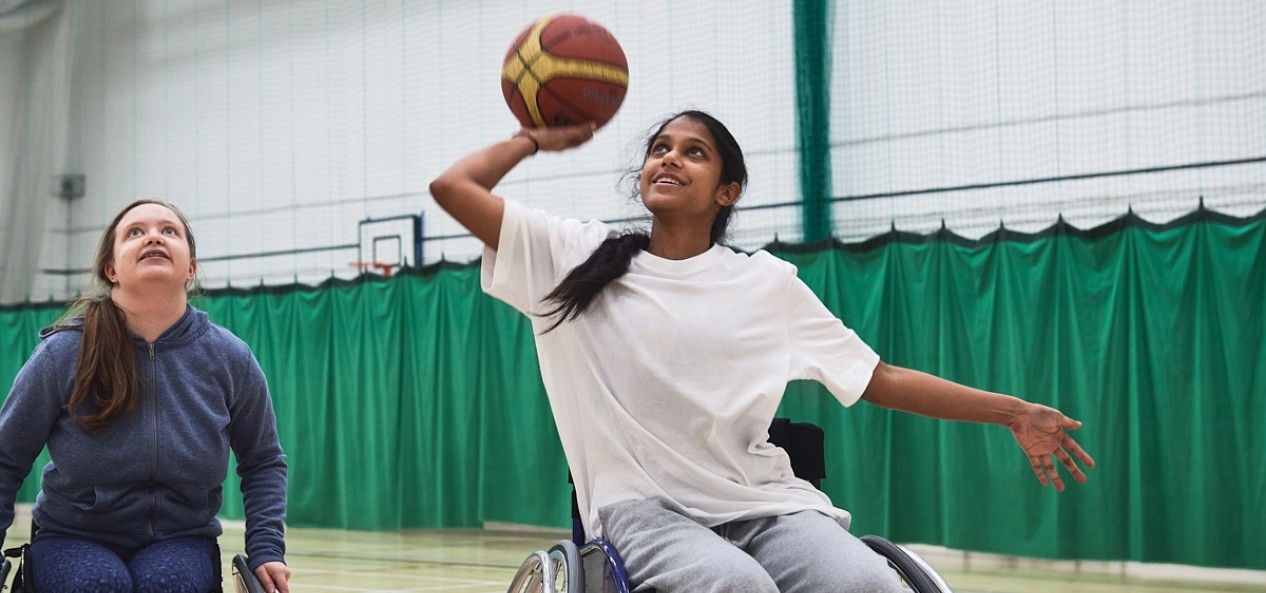
A young female wheelchair user prepares to shoot a basketball as a fellow player watches on.

The following scenario is designed to challenge and develop your thinking when it comes to creating positive and safe spaces for disabled people to get active.

Under the Equality Act 2010, disability is defined as a ‘physical or mental impairment that has a substantial and long-term negative impact on people’s ability to do normal daily activities’. This includes physical, sensory, intellectual, social, behavioural and mental health conditions or impairments.

By working through this scenario, you can gain a better understanding of how to respond to and meet the needs of disabled people.

This scenario also encourages community organisations to consider the social model of disability, which empowers disabled people and encourages non-disabled people and organisation to be more inclusive.
The scenario has been constructed to reflect situations that you might encounter; any names or organisations used are fictional to aid your understanding.

The sport or activities referenced throughout this scenario are also provided for context and aren’t intended to reflect the approach taken or promoted by any national governing bodies of sport.

We recognise that disabled people and those living with long-term health conditions have different needs and face individual challenges and barriers to being active. Individuals can also have additional needs or experience further challenges or barriers if they’ve one or more protected characteristic (a term often referred to as intersectionality).

While this scenario focuses on an individual with physical disabilities, it's been designed to provide some key takeaways and considerations that can be transferrable and help your organisation become more inclusive to disabled people with facing any barriers or challenges.

This three-part scenario features Ben. Ben is 16 years old and has a physical disability. He has always enjoyed being active and is a keen sports fan. His favourite lesson at school is PE and outside of school, he regularly plays or watches sport with his parents.

Recently, Ben asked his parents if he can join a local football club, where some of his friends play. After being unable to contact the club, Ben’s dad agrees to take him to the next training session.

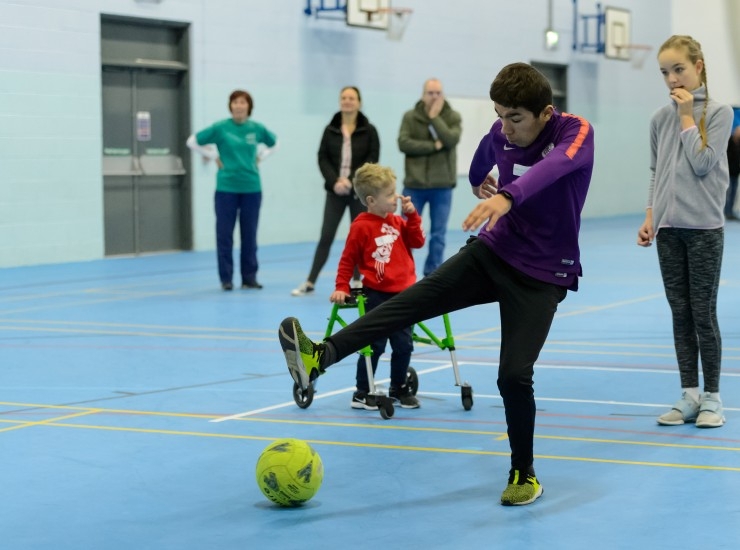
A disabled boy kicks a football in a sports hall as fellow players and parents watch on.

As you work through this scenario, consider how you would respond, then click on the dropdown to understand the impact of your response. Responses are not monitored; be honest in your approach to get the most out of this learning experience.