Skip to content

Engaging with faith groups

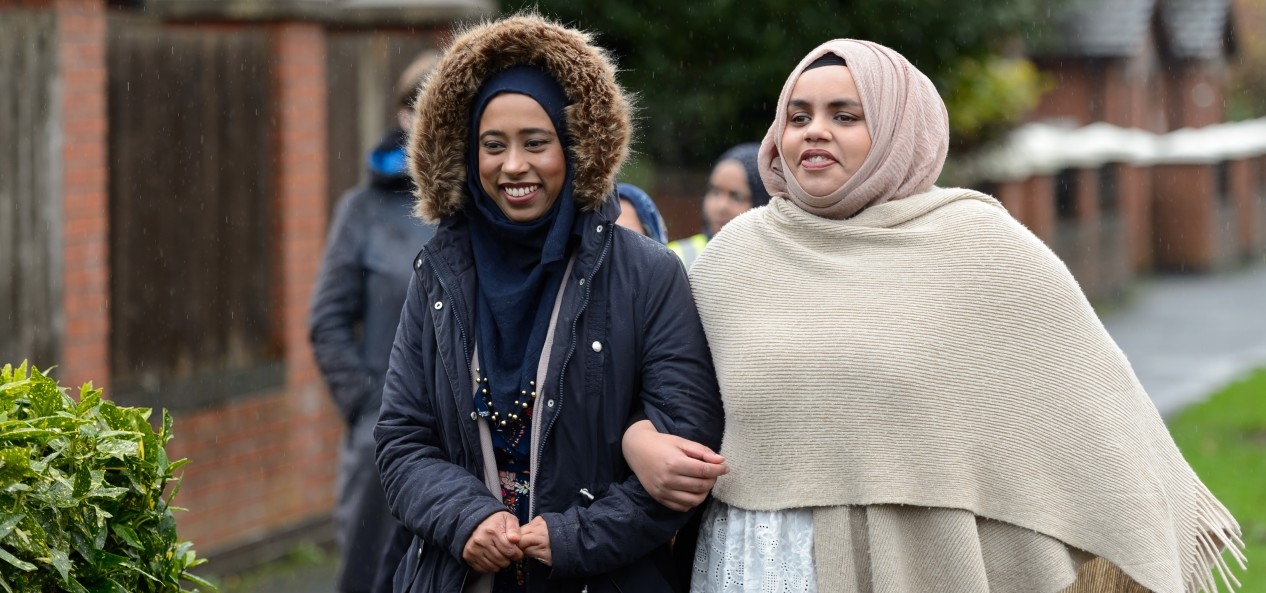
Two women wearing head shawls and coats link arms as they walk down a street.
  • Does your club or group represent its local community? Are your activities suitable for everyone?
  • What faith groups are present in your local area? Are they represented in your participants or volunteers?

England has many diverse, thriving cultures and religions within it. Sport and physical activity should be available to everyone and adaptable to ensure anyone, from any faith, religion or culture can participate safely, happily and in a way that supports their unique motivations. 

The first impression people have in new sport and physical activity settings plays a huge role in determining whether they’ll return and continue taking part. Gaining an understanding of different groups’ needs and requirements can help you tailor your offer and engage with more people. 

Motivations and needs will differ between faiths and individuals, so this guidance provides adaptable considerations to support and enhance your engagement with new groups.

What's a faith group?

A faith group is an organisation or community that’s based on shared religious beliefs or values. Faith groups may have different beliefs, motivations and religious practices but should all be treated with equal respect.

Some sports clubs and physical activity groups are designed for specific faith groups, hosted in faith centres or have rules that support the cultural norms of a certain community. These provide a positive, targeted space to ensure specific people can access movement.

For other clubs and groups, the offer may be open to all; in these instances leaders and volunteers can work to understand their local community and faith groups to create an inclusive environment. 

While there can often be an overlap between someone’s faith and their culture, some of the considerations, motivations and barriers can be mistaken for being the same.

It’s important to take a person-centred approach and ensure you listen to each person, rather than make assumptions or judgements based on your own knowledge of a faith group or their perceived cultural norms.

Why does engaging with faith groups matter?

Research shows that people who state they have no religion are more likely to be physically active compared to those that belong to a faith group.

Clubs and community organisations do their best to create inclusive environments but sometimes faith groups may still feel that their specific needs, beliefs and values aren’t recognised or catered for in some traditional activity settings.

Organisations should try and understand different groups in their community to maximise engagement and avoid stereotyping.

Stereotyping (making assumptions and generalisations about a person or group without evidence) may lead to discrimination, underrepresentation and ultimately those people missing out on the health, social and wider benefits of sport and physical activity.

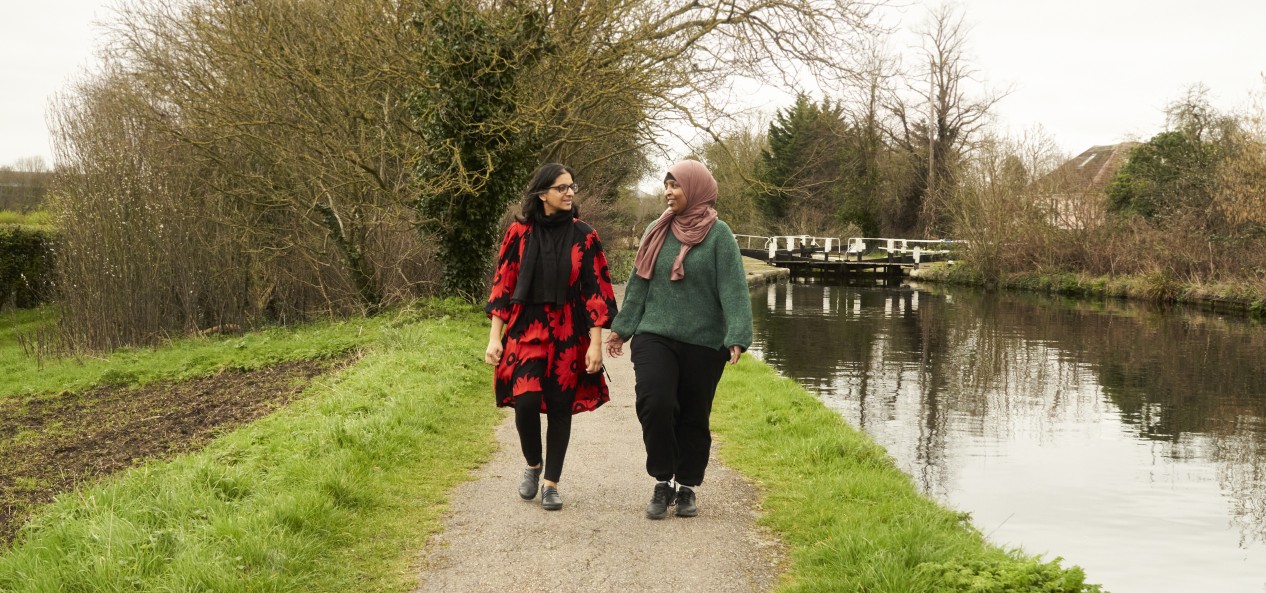
Two women of South Asian descent walk side by side down a canal towpath.

  • What are the benefits of engaging with faith groups?

    It’s not just about engaging with different groups to get more members. Try to approach it with the intention of building long-lasting relationships.

    Some of the positive reasons why clubs and community groups should engage with different faith groups are:

    • Clubs and community organisations can attract more volunteers and participants from the wider community, which can help you diversify your workforce and member base.
    • Clubs and groups can adapt and improve their offers to suit more members of the community.
    • It can help develop greater social cohesion within your organisation, which can make members of different faith groups feel welcome and safe. It’s proven that people who engage with sport and physical activity have built strong friendships outside of these settings too.
    • Clubs and groups can build connections with other locally trusted organisations like schools, faith centres, businesses and charities.
    • Reaching a wider audience can support the club's finances through additional membership fees and higher attendances at fundraisers or spectator events.

    Getting started can feel challenging, particularly if you don’t currently engage with different faith groups in your community.

    You could start by reaching out to respected faith leaders, centres and communities who can advocate for your activity and influence their networks.

    It’s then worth considering your current offer and how suitable it is for different faith groups. The following sections will walk you through some of these considerations.

    Hide

Top tips

There’s a lot to consider when engaging different people, communities and faith groups. Here are some top tips:

First impressions count
It can be very difficult for people to get involved with sport and physical activity for the first time. A smiling face on the door, clear instructions and directions on a website or a follow-up message after their first session can go a long way.
Don’t be afraid to ask questions
It’s better to ask than to assume. Making assumptions about people’s preferences and barriers could lead to negative experiences, discrimination or exclusion.
Connect with partners
There are lots of networking opportunities in the community to help you connect with faith groups and new people.
Adopt a person-centred approach
Listening to the specific needs of every individual can help to ensure everyone feels comfortable, confident and safe to take part. This may also help identify trustworthy people in communities who can help engage a wider audience.
Engage faith leaders
They’re trusted and well respected within their communities. By working with these key figures (such as priests, imams, granthis and rabbis), the message about the value of sport and physical activity can be shared more effectively across their networks.

Food and drink

Food and drink play a significant role in many communities and people’s religious beliefs and traditions. Consider how food and drink play a role at your organisation:

  • Do you have events that include food and drink? Like awards evenings, team meals or game-day refreshments.
  • Are you confident in adapting your food and drink offer for varying individual needs? Like supporting players during Ramadan, providing Kosher alternatives or choosing alcohol-free venues.

Remember not everyone’s needs, beliefs and requirements are the same, so take the time to ask your members and volunteers what they need to avoid stereotyping and generalising. Consider the tips to help you prepare, adapt and grow to support the wider community.  

Example

Some faith groups may have specific dietary requirements e.g. Halal or Kashrut. Other faith groups, religions and cultures do not engage with alcohol and find it offensive to be in an environment which promotes it.

It’s also important to consider if any of your members take part in religious practices such as Ramadan, Upavasa or Lent. 

Tips
 

  • Create a small survey for people to fill out before attending an event to gain an understanding of your people’s dietary requirements. Or embed dietary requirements in sign-up forms.
  • Ensure there are sufficient options to cater for a wide range of dietary requirements.
  • Host events in an alcohol-free venue or provide a space which is an ‘alcohol-free zone’. 
  • Consult with members and volunteers to see how you can make them feel most comfortable while observing religious periods; this could involve planning additional breaks during sessions as they may lack energy or need to break their fast. 
Four plates of cake and biscuits

Kit and equipment

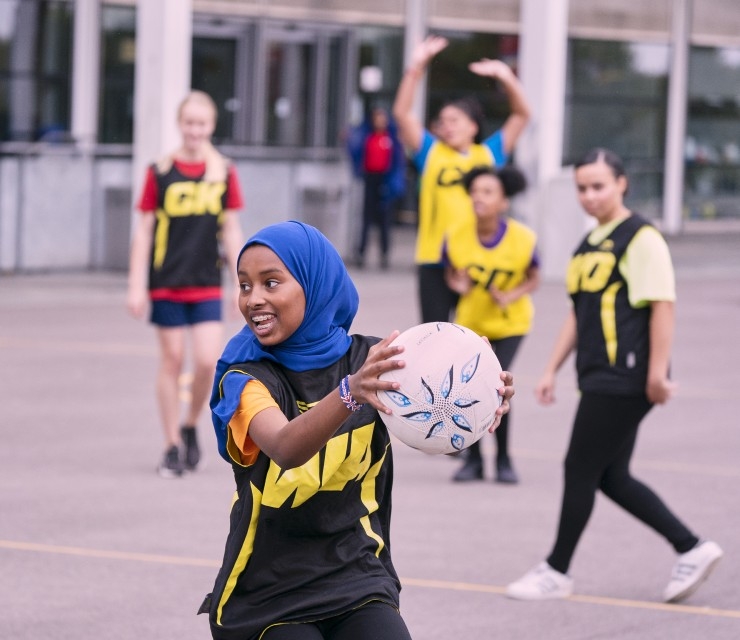
The kit and equipment required for sport and physical activity can have a direct impact on participation, with some not feeling confident or comfortable wearing certain clothing.

Taking time to understand the different religious and belief-based needs around clothing can be beneficial to ensure all members and volunteers of your club or organisation can participate freely and confidently, while honouring their faith. 

Example

People can sometimes face discrimination based on the clothing or symbols they wear as part of their faith, such as head coverings (Kippah, Hijab, Dupatta, Dastar), jewellery (the Kara) or other religious items.

Some clubs and groups choose uniforms or kit assuming everyone will be comfortable with them, which isn’t always the case. Often these kit requirements are linked to competitive or elite sport, where certain materials and styles are required for performance reasons.  

Tips
 

  • Develop an inclusive uniform policy using the guidance from Inclusive Sportswear. This can help to tackle any form of discriminatory behaviour towards people’s religious beliefs and associated clothing needs.
  • Recognise that some jewellery or symbols hold deep personal meaning and can’t be removed. Consider covering these with soft sweatbands during activities to enable everyone to safely take part.
  • Encourage your audience to share their thoughts and feedback on the current kit to include them with future decision-making.
  • Consider darker clothing to avoid concerns over transparency if the kit becomes wet or stretched.
  • Be confident in listening to your people, just because the elite sport has a certain kit, doesn’t mean that your club or group must do the same. 
A girl wearing a head scarf takes possession of a netball on a school playground, as other players look on,

Religious calendar

Each faith will have a different religious calendar, and these can sometimes clash with sporting sessions, competitions or socials your club or organisation host.

Participants may attend religious festivals, take part in fasting practices such as Ramadan, regularly pray at different times of the day and more. These commitments can directly affect people’s availability, energy levels and capacity to take part in activities.

Having an awareness of key religious dates and practices can help you plan your sessions, competitions and events to suit everyone’s needs and reduce the barriers to participation.

Example

Key religious events such as Eid, Diwali or Vesak are an important part of worship for different faith groups.

The preparation and commitment to attend these events can sometimes clash with sporting activities.

Prayer is also an important commitment for many, it can be part of people’s daily routine and take place several times a day, including during activities and session times. 

Tips
 

  • Take time to educate yourself on religious calendars so you can plan around key events, festivals and fasting periods.
  • Be flexible and open to adapt your sessions to fit around different prayer times. This can be as simple as locating a quiet space in your venue for participants and volunteers to safely visit during the session if they wish.
  • Have a look at Inter Faith Week and consider promoting the varying activities to improve understanding and demonstrate your commitment to inclusion. The LTA have done some positive work around Eid celebration.
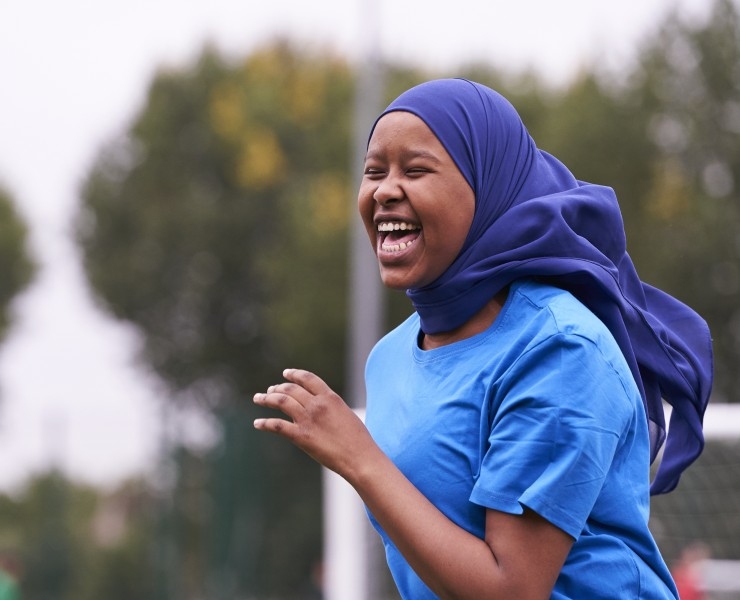
A girl wearing a headscarf laughs on an outdoor sports pitch.

Accessibility and safety

Everyone should have the right to access sport and physical activity in a safe and supportive environment.

Creating accessible and safe activity spaces is vital to engaging the wider community and catering for their individual needs.

This could include:

Tips
 

  • Prioritise a positive culture: respect and implement appropriate codes of conduct to ensure participants, volunteers and others have enjoyable and safe experiences.
  • Consider the additional barriers people may face to accessing your facility, such as financial restraints, travel restrictions or lack of time due to other commitments.
  • Include questions on sign-up forms about reasonable adjustments relating to physical accessibility, safety measures and access considerations relating to religion or faith. 
A group of women try a fencing lesson using plastic swords

Sporting perceptions

  • Do you have assumptions about people from different faith groups engaging with sport and physical activity?
  • What evidence do you have to support these assumptions?

Making assumptions about faith groups and their engagement with sport and physical activity can have a big impact on people’s willingness to get, and stay, active.

Sometimes people assume others don’t want to take part in sport due to their religious commitments and beliefs or think people from certain faith groups only want to take part in specific activities.

These assumptions can create negative experiences, lead to fewer opportunities, less targeted support and a lack of appropriate offers which cater for the needs of different faith groups. 

Tips
 

  • Communicate with different groups to see what activities they want to take part in and what would help them stay involved.
  • Be prepared to challenge discrimination and educate anyone who offers an assumption about a person or group as a result of their faith.
  • Explore what negative experiences people have had previously in sport and physical activity to try avoid these in the future. 
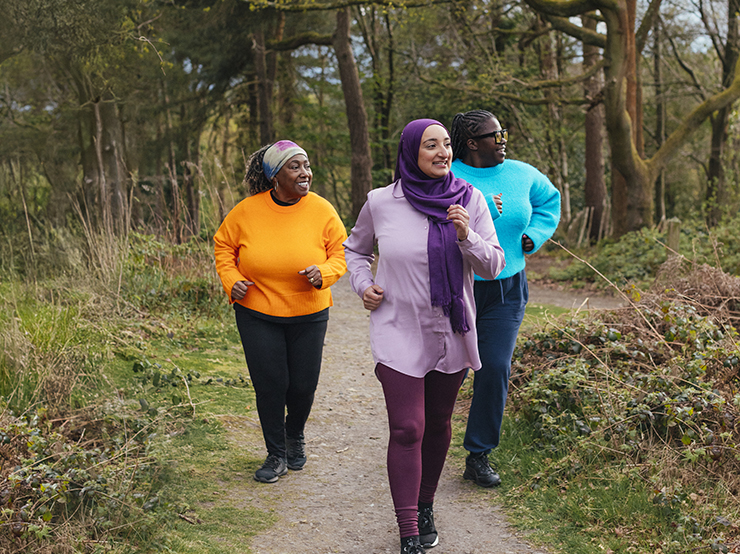
Three women running on a path through a wooded area

Faith centres

Faith centres bring communities together and provide a safe space for people belonging to different faith groups. Faith centres are well respected and are often heavily invested into the wellbeing of their communities. 

Faith centres present a great opportunity to encourage lots of different people to come together and try new sports. This might be through promotional material being shared in the centre, faith leaders advocating for activity to their community or congregation, or using the faith centres to host activities. 

Tips
 

  • Explore opportunities to deliver sport in places where people feel safe and comfortable.
  • Consider reaching out to local faith centres to see if they can help spread the message and explore whether you can deliver your activity within their facility.
  • Take a centre-by-centre approach and consider mapping out faith centre locations to identify the best areas to host activities to engage the community that are comfortable travelling there. 
Two women use exercise bands to stretch

Further information

What help’s available if you are experiencing discriminatory behaviour?

Despite clubs and community organisations doing all they can to create safe and welcoming environments, discriminatory behaviour can still occur.

It’s important to know how to respond as this will help prevent future incidents and show your members that you have a zero-tolerance policy towards discriminatory behaviour. Consider:

There are a number of different faith groups in the community that may wish to access your sport and physical activity offer.

The guidance on this page is generalised; we encourage volunteers to explore faith-specific information to make more informed changes and steps towards more inclusive clubs and groups: