
Skip to content

Almost one in five (18.4%) children and young people (CYP) in education in England have a known special educational need or disability (Department of Education, 2024). 

Many of these CYP face barriers and challenges which impact on their participation or volunteering within sport and physical activity.

Regardless of their ability or needs, all CYP should have opportunities available that can be adapted or enhanced to ensure safe, inclusive and enjoyable experiences.

This page explores how organisations can create inclusive environments for those with special educational needs.
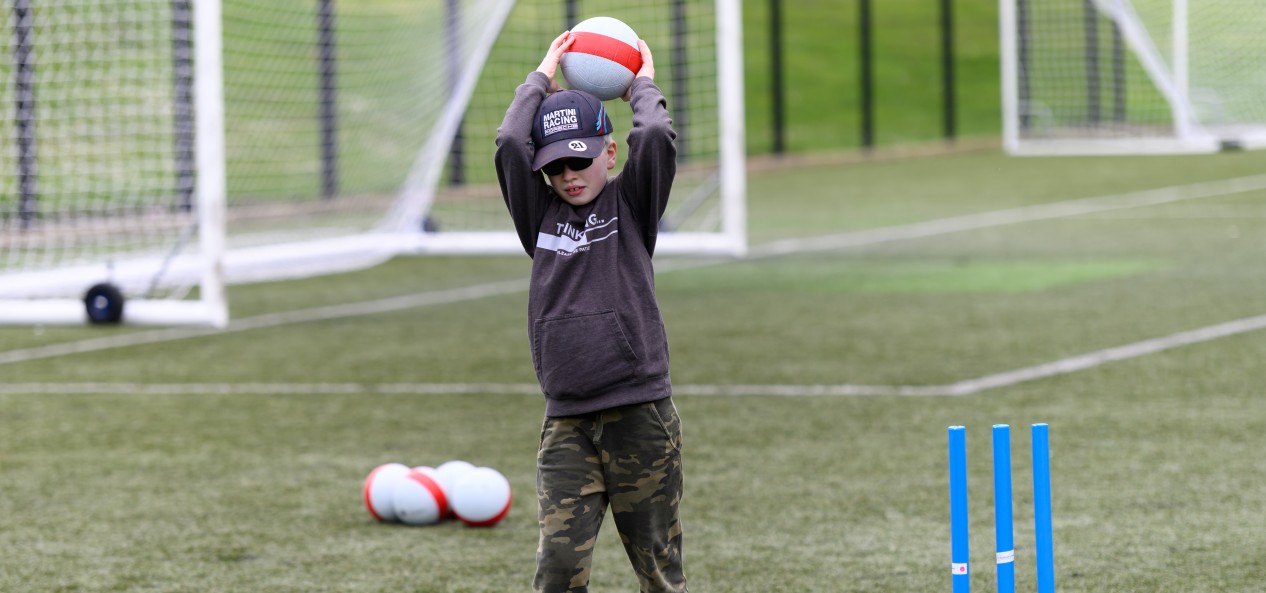

A boy wearing a baseball cap and dark glasses holds a ball above his head on an outdoor artificial football pitch.

What are special educational needs?

Special educational needs (SEN) can influence the way that a child or young person learns, and can include their social, reading and writing skills, levels of understanding or concentration, behaviours and motor skills (motor skills are functions that involve specific movements of the body’s muscles to perform tasks such as walking). 

SEN are commonly grouped into four types: 

It’s important to note that some of these conditions aren’t visible but can still impact a person’s ability and confidence to take part in sport and physical activity.

It’s vital that organisations work with, and listen to, these individuals and their parents and carers to understand their needs and provide them with the best possible experience.

Key terms

The term SEN refers to CYP aged 0-25 and is often used interchangeably with special educational needs and disabilities (SEND), but these terms have slightly different meanings. 

  • SEN refers specifically to CYP with special educational needs, but not necessarily with a disability.
  • SEND refers to all CYP with a disability, who may or may not have a special educational need. Our guidance on engaging disabled people looks at the barriers faced by disabled people in greater detail, with accompanying advice on how to support them.

Barriers

CYP with SEN can face many barriers which may impact on how they participate or volunteer in sport and physical activity. These could include: 

Attitudes and perceptions
Often, due to a lack of knowledge and awareness, some people have negative attitudes towards those with SEN and can be reluctant to include them within their activity or volunteering opportunities. Some may think adjustments are too challenging to implement, take too much time, or are fearful that they might not meets the needs of that person adequately, so avoid making changes all together.
Facilities and equipment
The facilities used by some organisations may not be accessible to individuals with certain SEN or they might not have the required equipment to cater for some additional needs.
Transport
It’s likely that CYP with SEN will rely on a parent, carer or other trusted person to take them to activities. This person may not always be available or have access to transport themselves. Sessions may also be held in rural or inaccessible locations.
Communication
Those with SEN may find it difficult to communicate their preferences or understand instructions; this can impact their experience and ability to join in activities or volunteer.
Social
SEN can impact how an individual interacts with others. Some CYP may not feel confident or comfortable attending sessions where they don’t know anyone or there are lots of other people.
Sensory
CYP with SEN can also find the environments where activities take place overwhelming, particularly if they’re loud, unfamiliar, or there are lots of other activities happening at the same time.
Cost
The cost of purchasing specialised equipment and travel is often high and may be unaffordable for some families.

Engaging people with SEN

It’s vital when engaging CYP with SEN to understand their needs and how you can support them to have a positive experience. Taking a person-centred approach can help you to do this by focusing on meeting the needs of the individual, rather than assuming their challenges or requirements.

When engaging with an individual with SEN, make sure you speak to them first to identify any support needs and communication preferences. Once you’ve discussed this with the individual, you can also speak to their parents, guardians or carers to further understand how your organisation can support them. 

A person-centred approach allows you to understand the views of both the individual and their support network, ensuring that everyone has a say and feels included and valued. Remember, needs and preferences will be unique to each individual.

A boy wearing dark glasses runs on an outdoor artificial pitch.

Practical solutions

  • What steps can you take?

    There are a number of adjustments that can be made to your offer to meet the needs of those with SEN. Depending on their preferences, these could include: 

    • Adapting session plans to ensure everyone can participate and, where possible, providing plans ahead of the session, so they know what to expect. The principles outlined within the Activity Inclusion Model and STEP adaptation tool can help you to adapt your activities.
    • Ensuring instructions are easy to understand and accompanied by demonstrations or visual aids such as whiteboards or flashcards.
    • Allowing additional time for instructions and information to be processed.
    • Ensuring the emphasis is on having fun.
    • Making progressions gradual to help participants adapt to changes.
    • Involving family members and friends in activities, so those with SEN have a familiar, trusted person to participate with. 
    • Providing your workforce with training opportunities to upskill them in supporting CYP with SEN.
    • Providing a quiet space or making sensory adjustments, such as not using whistles or allowing ear defenders to be worn.
    • Promoting hardship funds or signposting to financial support so expensive equipment or adjustments can be purchased.
    • Demonstrating an inclusive culture to ensure all participants, volunteers and staff feel welcomed and included.
    Hide