Sorry, you need to enable JavaScript to visit this website.
Skip to content
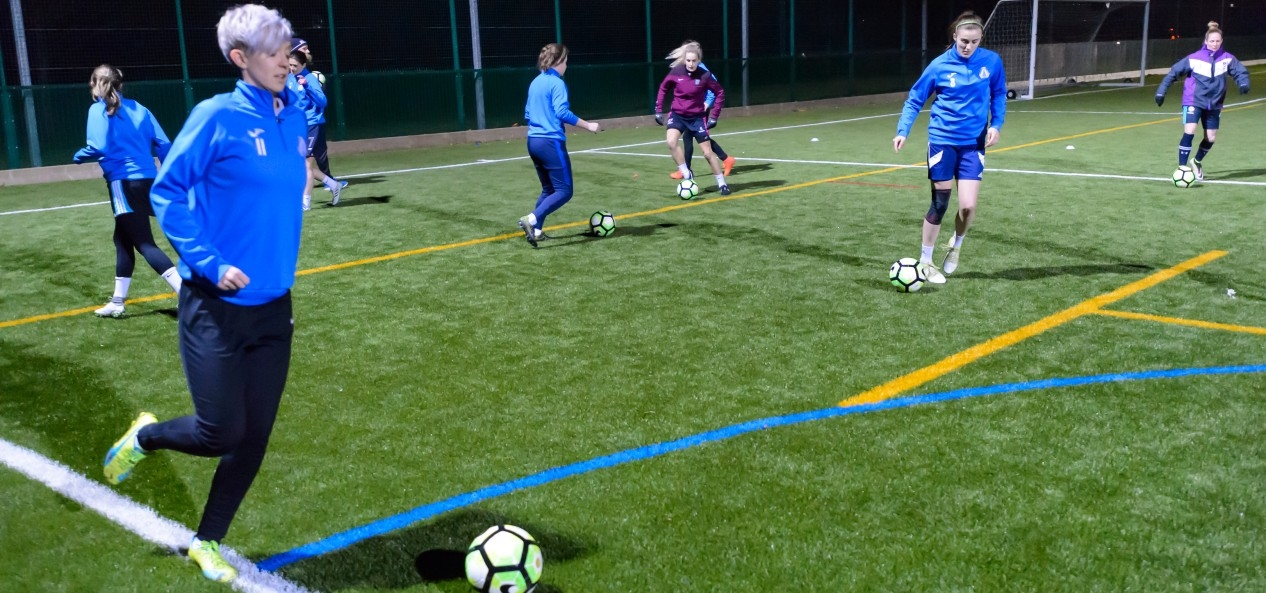
A group of female footballers dribble balls during a training session on an outdoor artificial pitch at night.
  • Does your club or group want to ensure its activities are inclusive?
  • Are you developing safe and positive spaces for women and LGBTQ+ participants and volunteers?

We know that for some, joining a sports club or community organisation can come with challenges. People from the LGBTQ+ community, for example, may worry about being judged or not feeling like they belong. 

This case study focuses on Brighton Seagals FC and how they're working to change that.

We spoke to Justine Thomson, the club's chair, and Becks, equality and welfare officer, to understand how they've prioritised inclusion and created positive sporting spaces for women and the LGBTQ+ community through football.

Brighton Seagals’ top tips

If you’re running low on time, Brighton Seagals have shared their top tips to get you started. You can read on for their whole story.

1. Promote allyship

Listen to the people you're trying to support, learn from their experiences and find ways they can help you with developing more inclusive spaces. 

Allies are useful in advocating for your offer, checking and challenging your activities and sharing insights and experiences to inform your work.

"It's important to listen to your community and think about how you can get people in the room. If they've got knowledge in a specific area, use them."

2. Don’t be afraid to get it wrong

Be open to feedback, learn from mistakes and keep improving your policies and operations by asking questions. The most progress will come from listening.

3. Prioritise culture

Build a good culture by having the right policies, people and operations in place.

These foundations will enhance your club's everyday decisions, the way you involve your people and your reactions when things don’t go to plan.

4. Build strong foundations

Ensuring an inclusive culture starts with the buy-in of your committee and leadership team. 

Build a board that reflects your members so that inclusivity and diversity is prioritised and part of your club's DNA. 

Ensure that policies are lived out at all levels of your organisation, using a clear code of conduct to develop a deeply woven positive culture.

Who are Brighton Seagals?

Founded by their chair Justine in 2019, Brighton Seagals started as a group of recreational footballers from the LGBTQ+ community in Sussex who wanted to play more competitively in a positive sporting environment.

The group identified a limited number of inclusive local sporting opportunities for the LGBTQ+ community and women in football. The club grew from the desire to put these people first.

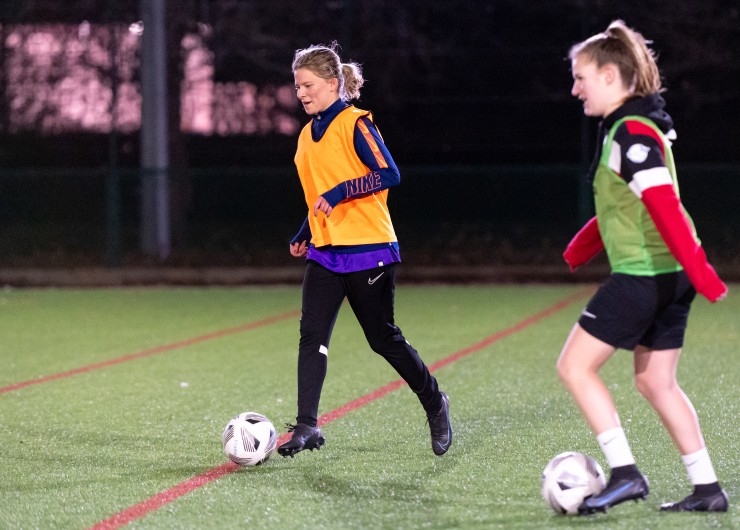
Two female footballers dribble a ball during a training session on an outdoor artificial pitch at night.

"It always seemed like men's football came first and was always prioritised."

Today, the club provides football opportunities for women, non-binary and trans people across Brighton. 

They offer both a competitive 11-a-side team, Brighton Seagals FC, and a social football programme, Brighton Seapals, which offers a more inclusive alternative for those not wanting to compete. 

The club's received the Football vs Homophobia award and Festival of Women's Football award, leading to recognition from the BBC for their inclusive practices.

They now have around 150 players across their competitive and social football programmes.

"We offer competitive outlets for trans and non-binary people to play in safe environments." 

How do Brighton Seagals prioritise inclusivity?

Creating welcoming, inclusive spaces for women and the LGBTQ+ community starts with having the right environment and inclusive practices in place.

  • Welcoming new members

    All new community members start with welcome sessions, alongside welcome forms.

    This helps new members understand the club and feel comfortable joining, with immediate answers to questions and a positive first experience. 

    Hide
  • Using gender-neutral language

    Coaches are supported to use gender-neutral language. 

    For example, coaches at the club use “player on” instead of “man on”. 

    Hide
  • Developing community partnerships and allies

    Brighton Seagals have partnered with local electric bike companies to offer free codes to and from sessions. 

    This helps reduce financial barriers for their community members and provides a sustainable and active travel element to their engagement.

    Hide
  • Using inclusive communications

    The club consider how they communicate to their community.

    This includes using the correct pronouns and diverse imagery. 

    Hide
  • Creating inclusive social spaces

    Brighton Seagals offer club socials for members.

    These allow members to celebrate diversity and interact in safe, gender-neutral spaces and facilities. 

    Hide
  • Having LGBTQ+ and community member representation

    Women, non-binary and trans people are represented across the club’s committee.

    This helps to ensure different voices and experiences are involved in decision-making. 

    Hide
  • Sharing relevant policies

    They provide club policies, their constitution and facility information on the website.

    This makes it easy for the public, and members, to access more information. 

    Hide
  • Creating inclusive facilities

    The club assess the facilities available for their LGBTQ+ members.

    They consider how these can be adapted to help people feel more comfortable when taking part in sessions. 

    Hide

Facing challenges

Brighton Seagals provide an inclusive, safe and positive sporting offer. However, working with underrepresented groups and running a grassroots club still has many challenges:

1
Securing funding
Brighton Seagals' current funding is only in place until the end of 2026. They're actively looking to find grants that’ll enable them to invest in their facilities and provide more inclusive spaces for their community.
2
Transgender sports guidance
Uncertain guidance related to transgender inclusion in sport has created significant challenges for Brighton Seagals. The club felt there was a lack of clear support on how best to support trans members, leaving volunteers unsure of what to do.

"This was difficult for us. There was no guidance given to us on how we can support trans people. Our trans members felt like we let them down at the time."
3
Supporting volunteers
Like many grassroots sport clubs, Brighton Seagals rely heavily on their volunteers to support their work. Volunteers are often stretched and they’ve noted a lack of wider support in place to help them best support their community.

Brighton Seagals continue to work hard to overcome these challenges and maintain their focus on creating positive, safe spaces for women and LGBTQ+ community members to thrive and enjoy football.