
Sorry, you need to enable JavaScript to visit this website.
Skip to content
Two young men spar in a gym boxing ring as two others watch on from their corners.

Sport and physical activity can be powerful tools for bringing communities together, connecting people from different walks of life and forging bonds over common interests or passions. 

In today’s uncertain world, tackling social exclusion has never been more important. A number of people are displaced from their homes, many are struggling with the cost of living, travel, childcare and other factors or social barriers that may limit physical activity engagement.

For some young people and families finding a place to get active, learn new skills and form meaningful social connections can be challenging. Some may be excluded because of cost, confidence or a lack of opportunities.

This case study focusses on the work of Danson Youth Trust (DYT) and their targeted support for young people and families to overcome some of these activity barriers that may lead to social exclusion. 

We caught up with Philippa Norris from DYT to find out more about their work and advice for others to help tackle social exclusion. 
DYT’s top tips

DYT offer these top tips for community organisations looking to tackle social exclusion and get more people involved in physical and social activities. 

If you’re short on time, see if you can implement these tips in your organisation or activities.

  • Understand your community

    When it comes to tackling social exclusion and providing opportunities for people, it’s important to listen to what your community wants and needs.

    In doing so, it will help you learn how to best engage and communicate with them. 

    It’s important to remember not all people have the same motivations and barriers: what’s true for one person might not be for the next – take a person-centred approach to ensure you’re meeting their needs appropriately. 

    Hide
  • Be adaptable

    The social enterprise landscape is constantly changing. Being able to respond to changes and challenges is essential for survival, especially when there’s a lack of funding opportunities. 

    The needs and motivations of others may also change over time, as competing priorities take over or life changes naturally occur. 

    Remain flexible to adapt your offer to suit your community and open to take new opportunities as they arise. 

    Hide
  • Create a positive environment by recruiting the right people

    To tackle social exclusion effectively, you need to try to recruit the right people. Invest in your team and look for people who are passionate about your mission. 

    Remember those experiencing social exclusion may need more support in engaging with an activity or group, so having a friendly face on the door and those with experience (their own or professional) to support them once involved can be beneficial in creating a positive environment. 

    Hide
  • Create a sustainable offer

    As an organisation tackling social exclusion through physical activity, it’s important to take responsibility for the work you're doing and find ways to be financially sustainable. 

    DYT suggests not to solely rely on grant funding and find innovative ways to create long term viability for your organisation, such as keeping activity costs low, selling products or renting out facilities. 

    Read on for a deeper dive into DYT’s offer, activities, challenges and progress.

    Hide

Who are Danson Youth Trust?

Based in Bexleyheath, Kent, DYT have been embedded in the local community for over 60 years. 

Starting out as a youth centre, DYT have since grown into a thriving community hub for young people aged 0-25. 

DYT offer multiple community-led programmes and low-cost recreational sport sessions, including football, boxing, gymnastics, trampolining and judo.

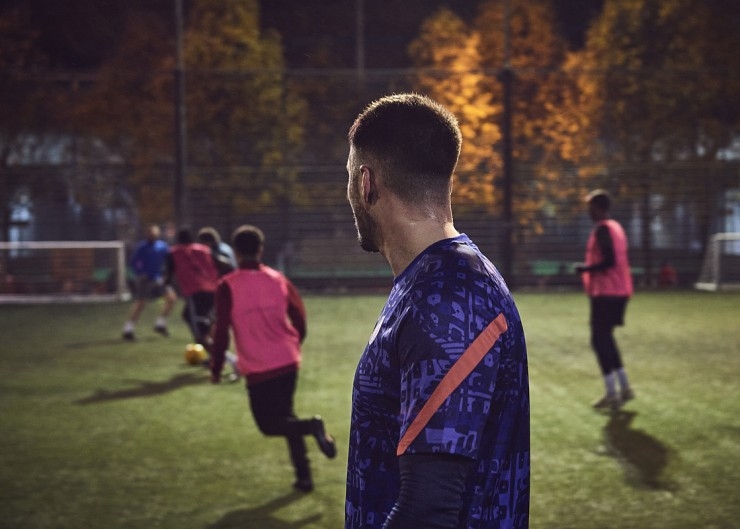
Shot from behind a casual footballer as he looks at his fellow players in action at night.

These sessions have enabled young people to participate in sport and physical activity while reducing the financial barriers to participation. 

Additionally, these sessions at DYT have helped promote community wellbeing by fostering social connections and reducing mental health issues that can stem from lacking social and community networks.

Over the last decade, DYT have helped over 10,000 families, with up to 800 people visiting every week. 

Their impact has extended far beyond sport, supporting families from lower socio-economic groups with financial barriers to participation and isolated parents with family engagement opportunities and specialist guidance.

DYT’s mission is to ensure that every young person, regardless of race, income or background has access to safe spaces to get active, develop meaningful relationships and thrive. 

How do DYT tackle social exclusion?

Social exclusion is often referred to as a state in which individuals or communities are prevented from participating in society, often due to ethnic, cultural or socio-economic barriers. 

As a result of this exclusion, people are then unfairly disadvantaged when it comes to accessing the benefits of a social life – relationship development, learning or enhancing skills, mental and physical health benefits and much more. 

DYT work to actively tackle social exclusion and economic inequality within their community. They do this in several ways: 

Reduced costs
DYT provide free or low-cost sport and physical activity programmes for young people in the local community.

Removing cost barriers is one of DYT’s main approaches to keep young people motivated and engaged, who may otherwise feel disconnected from mainstream services because of the cost implications.
Extra-curricular support for SEN schools
DYT support children from local Special Educational Needs (SEN) schools by providing them with free access to their football pitches for extra-curricular activities.

They also offer a Face2Face Club for teenagers with autism or additional needs, to help them develop social and physical skills.
Targeted support for families
Recognising the importance of a combined family offer and developing positive relationships, DYT offers activities that bring young people and families together.

The goal of these activities are to foster community bonds by giving families quality time together and helping to reduce pressures that parents and carers can face when sport and physical activity isn’t embedded into their daily lives, confidence levels are low to attend activities solo, or costs for some traditional sports clubs aren’t feasible.
Peer support groups
DYT also offer peer support groups for young people and their parents to connect with others who have similar lived experiences.

These groups offer a range of benefits, including emotional support, community networking and cultivating a sense of belonging.

DYT work hard to address social exclusion by providing access to activities from a young age. 

They’re adamant that children from any background should be granted these opportunities in the knowledge that it can set them up for an active, healthier life with community at its core. 

The benefits of engaging children and young people in DYT’s community include:

  • building soft skills like communication, problem solving and empathy
  • improving physical and mental health
  • fostering relationships and social connections
  • improved self-confidence
  • nurturing future community leaders.

What challenges have DYT faced?

Tackling social exclusion is a challenging task; it isn’t something that can be resolved with one intervention or one community organisation. 

DYT have faced many challenges over the last few years, including: 

Financial barriers

Limited funding has made it difficult to sustain activities, keep providing free provision to the community and invest in their facilities. 

To overcome this, they’ve tried to come up with creative ways to generate revenue and re-invest in the centre. 

Cultural barriers

In a community there will be many different people, often with varying views, languages, faith groups and motivations. 

DYT have found it hard at times to meet the needs of this wide range of potential community users and have found a lack of engagement from some groups along the way. 

They want to continue taking a person- and community-centred approach to support as many people as possible.

Rise of social media

Changing priorities for young people, including how they connect and socialise, have made face-to-face interactions less appealing or perhaps more daunting. 

Regular participation can suffer as a result, making it harder to build a self-sustaining community with physical activity integrated into their lives. 

Despite these challenges, DYT aim to continue to embed themselves within the community and have a positive impact on young people and families facing multiple barriers such as these. 

Adapting their offer and keeping people at the heart of their operations will enable them to sustain community engagement and grow as they go. 

To find out more about DYT, visit their website. 

Danson Youth Trust