
Sorry, you need to enable JavaScript to visit this website.
Skip to content
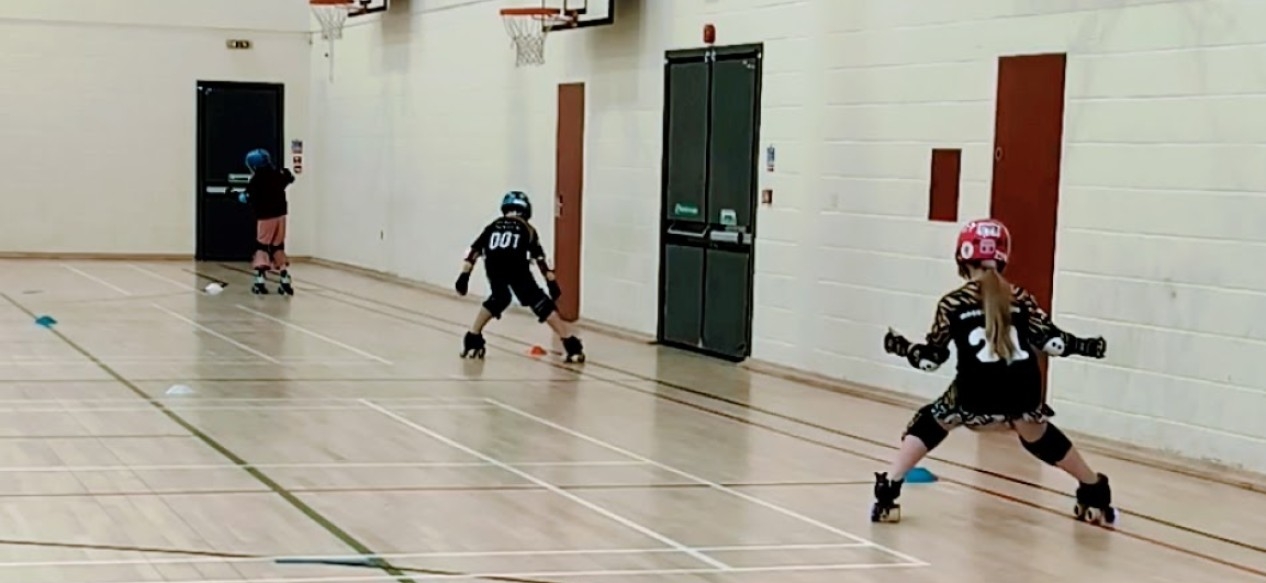
Three young people wearing helmets take part in a roller derby session in a sports hall.

Volunteering is an essential part of community sport and physical activity: without it, activities simply couldn’t run. 

Creating a safe and positive environment for volunteers, one that supports their wellbeing and development, can help increase motivation and maintain their engagement while volunteering at a community organisation.

We recently connected with Autumn from Exeter Roller Derby (XRD) and Juniors (XJRD) to discuss how they’ve created positive environments for volunteers and the benefits this has had on their club and local community.
XRD’s top tips

To help other organisations, XRD have shared some top tips for creating a safe and positive volunteering environment:

  • Work with people's strengths

    Volunteers don’t need to come equipped with solutions and answers to a club’s problems. 

    Each volunteer will come with unique skills, knowledge and capabilities that, if used correctly, could massively benefit the club’s operations and help them overcome challenges. 

    XRD suggest assigning roles based on what people can do, and look to upskill others that are keen for extra support. 

    Hide
  • Anyone can be a volunteer

    You don’t need to play the sport or have experience to be able to volunteer and support a club. 

    XRD believe that anyone can help: even if you don’t want to participate in the sessions, there’ll be a job that you’ll enjoy.

    Hide
  • Let the members create the environment

    As an organisation looking to create a positive and safe volunteering environment, it's important to ensure every member feels valued and empowered. 

    XRD encourages others to listen to members and actively seek feedback. 

    Read on for more about XRD, the challenges they’re overcoming and how they’ve created a safe and positive volunteering space.

    Hide

Who are XRD?

XRD, located in Exeter, Devon, have been providing non-contact skating sessions for their local community since 2010. 

Their aim is simple: to create an inclusive, safe space for people to learn to roller skate, while having fun and making new friends.

What started as a men's-only club rebranded in 2012 after female skaters expressed an interest in joining. Since then, it’s opened its doors up to all genders and ages. 

XRD are proud to be run and supported by a committed volunteer network, with no paid staff; the volunteers are the beating heart of the organisation. 

XRD have focused on the type of environment they create for their volunteers to keep the club running smoothly.

One of these volunteers is Autumn, who’s in charge of XRD’s administration and communications. 

Autumn keenly shared the club’s commitment to developing safe and positive environments for their volunteers. It’s not an afterthought or ‘nice to have’ for XRD; these environments are crucial to the delivery of their activities. 

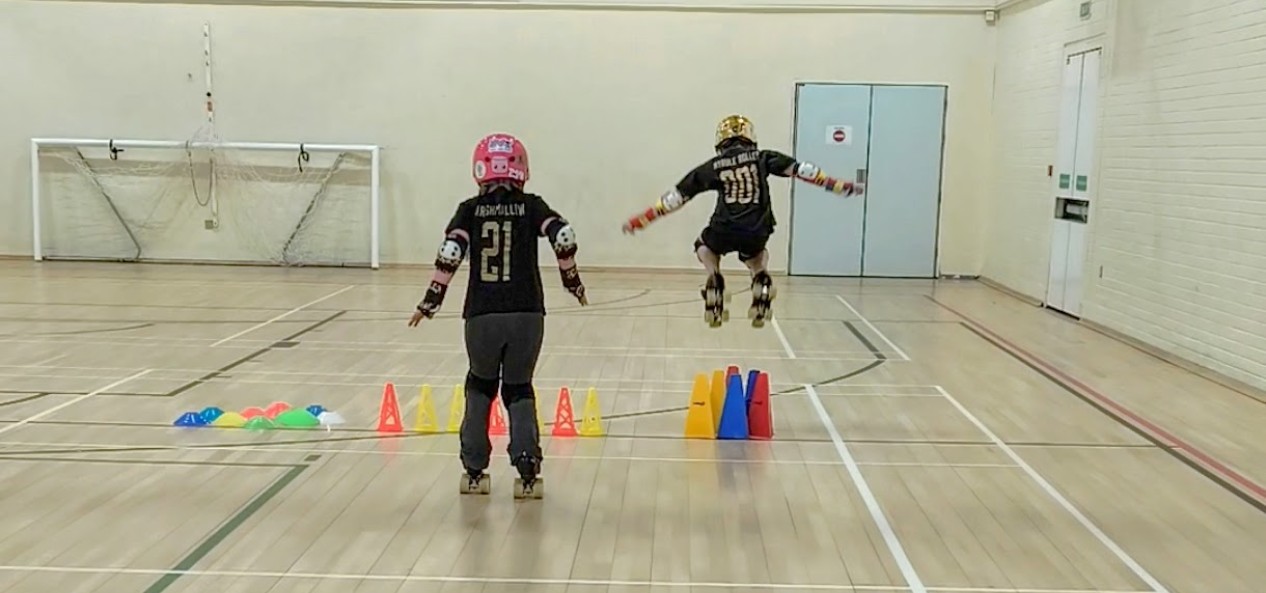
Two young people wearing helmets take part in a roller derby session, jumping over cones in a sports hall.

Why create a positive volunteering environment?

Providing safe and positive environments for volunteers is about creating a space where people feel welcome, safe and able to contribute to the bigger picture. 

For clubs like XRD, some of the benefits to creating this environment for volunteers have included:

  • higher volunteer engagement
  • stronger relationships
  • reliable volunteers
  • greater respect
  • improved sense of shared purpose
  • increased participation. 

Clubs or community organisations with poor volunteering environments can lead to lower engagement levels from volunteers and ultimately a lack of support to keep the club or group alive. 

What challenges have XRD faced?

Like many volunteer-led sport clubs with limited resources, XRD have faced many challenges over the years. Some of these include:   

Cost of living

Since the pandemic, prices have risen for daily living expenses, travel and venue hire, making it difficult for clubs and groups to afford their spaces, equipment and invest in their offer. 

Alongside this, some volunteers have also had to reduce their volunteering commitments to seek paid work. XRD and their members have been affected by rising costs.  

Finding facilities

Being able to find an affordable location has been challenging for XRD. A lot of spaces are either too expensive or logistically hard for people to get to, which has made it hard to retain volunteers. 

Such a pressure on finding a venue also detracts from the focus on club culture, making it more difficult to build positive volunteering spaces.

Recruiting volunteers

Due to limited awareness and resources, recruiting volunteers has been tricky for XRD. The club must rely on word of mouth to generate traction and volunteer interest.

How have XRD created a positive volunteering environment?

Creating a positive and safe space for volunteers is often shaped by a shared set of values around open communication and inspiration. 

By focusing on creating a positive volunteering environment, XRD help secure long-term engagement among volunteers at the club. They have:

Encouraged parents to get involved and join in with sessions.
Kept all volunteers in the loop with what’s going on at the club by organising regular committee meetings and newsletters.
Worked with volunteers and tailored activities to their needs and strengths.
Offered one free training session to those who are interested in volunteering.
Allowed people to be flexible in their volunteering. In doing this they can navigate other priorities.
Ensured the workload is evenly spread to keep the time commitment realistic for everyone supporting the club.

Learn about volunteer motivations