
Skip to content
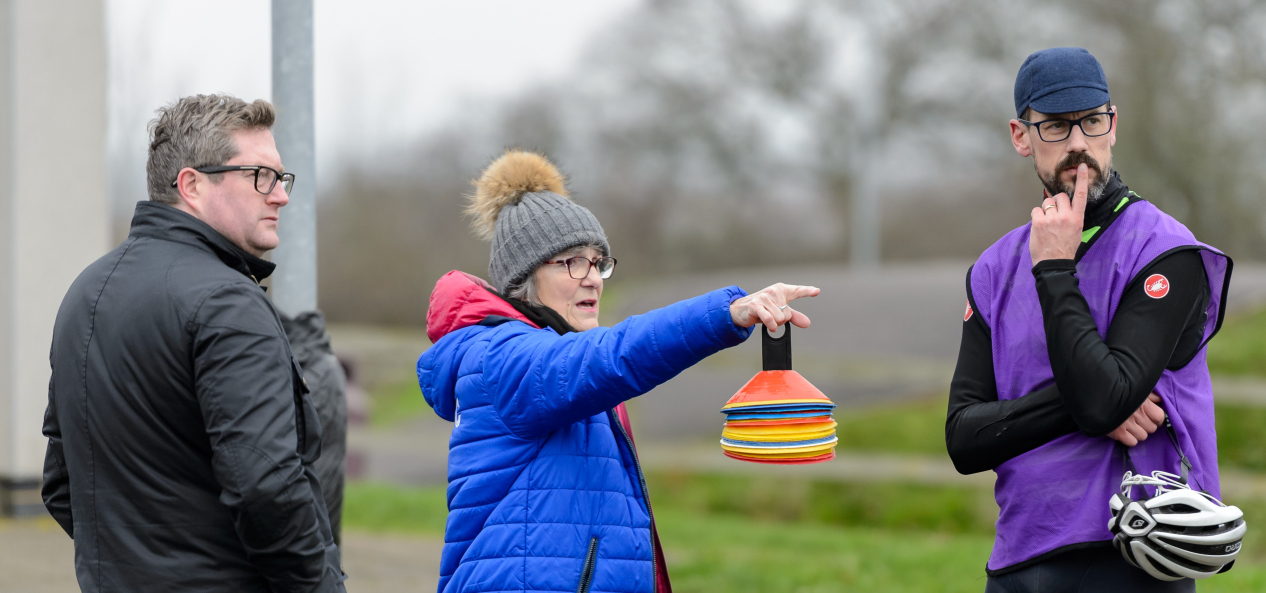
A woman holding a stack of marker cones points while talking to two men, one of whom is holding a cycling helmet.

Every week, thousands of volunteers bring their passion, energy and enthusiasm to support community clubs and groups delivering sport and physical activity.

Without them, our physical activity and sporting landscape wouldn’t be the same, with many organisations failing to stay afloat without the support of volunteers.

Many give their time and expertise because they want to give back, they have a passion for the sport or activity, or they want to develop personally and professionally. 

Creating positive experiences for volunteers, that support these motivations, can help maintain their engagement over time and lead to wider benefits.

These experiences are often driven by a culture of volunteering, which puts volunteers at the heart of an organisation’s day-to-day activities. 

The following guidance explains what a culture of volunteering looks like and explores some key considerations for embedding this in your organisation.

What’s a culture of volunteering?

A culture of volunteering refers to a shared set of values and actions that prioritise the positive experiences of volunteers.

This culture is often shaped by the wider values and culture of an organisation, including the attitudes, behaviours and principles the people at the organisation demonstrate.

A positive volunteering culture will ensure volunteers’ needs are met, they feel respected, their contributions are valued and that they’re in an environment that enables them to develop and thrive.

Benefits of a positive volunteer culture

A positive volunteering culture is reflective of an organisation’s environment and values and has many benefits for both the volunteers and the organisation, including:

  • Helping to attract new people and volunteers by boosting your reputation. If your volunteers enjoy themselves, they’re likely to tell others about their experience.
  • Retaining existing volunteers as they connect with, and buy in to, what your organisation’s trying to achieve and their role within this.
  • Supporting your organisation to meet its aims and objectives.
  • Having effective and organised volunteers who feel confident, supported and able to complete their roles to the best of their ability.
  • Providing safe spaces for volunteers to share their needs and goals, feel heard and identify further opportunities for their organisation to support them with.
  • Volunteers having a meaningful volunteer experience and feeling fulfilled.

A volunteer watches as three girls throw frisbees on a playground.

Creating a positive volunteering culture

Everyone can play a role in developing and maintaining a positive volunteering culture in an organisation; it isn’t just one person’s (like the volunteer coordinator's) responsibility.

Creating a culture of volunteering is a long-term process and will be different at every organisation. Here are some useful considerations which could help you:

  • Assess your current culture

    Gather feedback and take the time to understand your volunteers’ experiences.

    This will help you identify what’s going well and where changes are required. You could use surveys, focus groups, or have informal check-ins to do this.

    Your culture should be safe, welcoming and inclusive for volunteers. Volunteers’ sense of satisfaction and belonging should be consistently supported and enhanced.  

    Hide
  • Understand motivations and forging deeper connections

    Getting to know your volunteers as individuals and understanding why they volunteer can help you foster a positive culture. 

    Role descriptors can help volunteers to match their motivations and skills sets to different roles.

    In taking time to understand volunteers, organisations lay the foundations for better connectivity between them and their workforce.

    Hide
  • Identify and remove barriers

    Sometimes volunteers face barriers that prevent them from getting or staying involved, such as location, time constraints or childcare. 

    Ask your volunteers about any barriers they face and work with them to overcome these.

    Hide
  • Provide simple volunteering opportunities

    Some volunteers might have limited time or feel overwhelmed with their role. 

    Provide reassurance that any help is greatly received and, where possible, split bigger roles into smaller more manageable tasks.

    Consider using the principles of task-based volunteering. The focus should be on ensuring roles are manageable with the volunteers’ personal resources and highlighting available support for them at all times.

    Hide
  • Create an induction process

    How you welcome new volunteers is vital in making a good first impression. 

    A good welcome or induction process can help volunteers feel supported, informed and valued straight away. 

    Hide
  • Regular communication and decision-making opportunities

    Frequently share information and update your volunteers to promote discussion and input. 

    Understand how you can communicate and keep people informed to maintain a positive environment; you could do this through a standing agenda item at committee meetings or regular volunteer check-ins.

    Ensuring volunteers feel seen and heard through their journey is essential to a positive volunteer culture. 

    Hide
  • Provide opportunities for growth and development

    Encourage volunteers to develop themselves within and outside of your organisation. 

    Where possible, provide or organise training and development opportunities

    Hide
  • Recognition

    Show your appreciation for your volunteers' work to demonstrate their value. 

    Consider organising social activities or presenting certificates or awards to celebrate, recognise and thank your volunteers for their contributions.

    Hide

Signs of a positive volunteer culture

A culture of volunteering may look different from one organisation to the next; it may also change over time as motivations and volunteers change.

Consider if any of these signs of a positive culture of volunteering are present in your organisation:

Open, two-way interactions where volunteers feel empowered and comfortable to share their feedback, thoughts and opinions.
A safe, supportive and inclusive environment, where all experiences and views are valued and encouraged.
Volunteers feeling prioritised, appreciated, respected and valued.
Volunteers having shared values which align with the purpose and key aims of your organisation.
Volunteers feel a sense of belonging and responsibility to your organisation and therefore your organisation has good volunteer retention.
A wide range of volunteer skills, experiences and diversity of backgrounds, which are representative of your organisation and local community.
Regular reviews of your volunteering culture and frequent discussions about the volunteer experience at committee meetings.
Volunteers follow and embody your code of conduct, ethics and policies.
Regular opportunities for volunteers to progress and learn within their role.

Measuring impact

Find out more

Check out our case studies to find out how these clubs developed a culture of volunteering.