
Skip to content

Clubs and community organisations are increasingly experiencing the impacts of climate change, including changes to the condition of the natural environment.

Everyone can help to reduce these impacts. Taking action doesn’t need to be costly or time-consuming; there are lots of small, low or no-cost actions that can make a big difference.

Chippenham Harriers Running Club (Chippenham Harriers) have made a conscious commitment to become more environmentally sustainable.

To do this, they have identified a range of small, practical actions that enable them to operate in a more environmentally conscious way. We caught up with them to learn more.
About Chippenham Harriers

Run by a dedicated team of volunteers, Chippenham Harriers are an all-ability running club, with nearly 300 members across all ages.

The club offer opportunities for anyone in their local area. They pride themselves on their friendly, welcoming and social atmosphere.

After a few passionate members raised the importance of climate action and suggested the club could be doing more on environmental sustainability, Chippenham Harriers decided it was time to act.

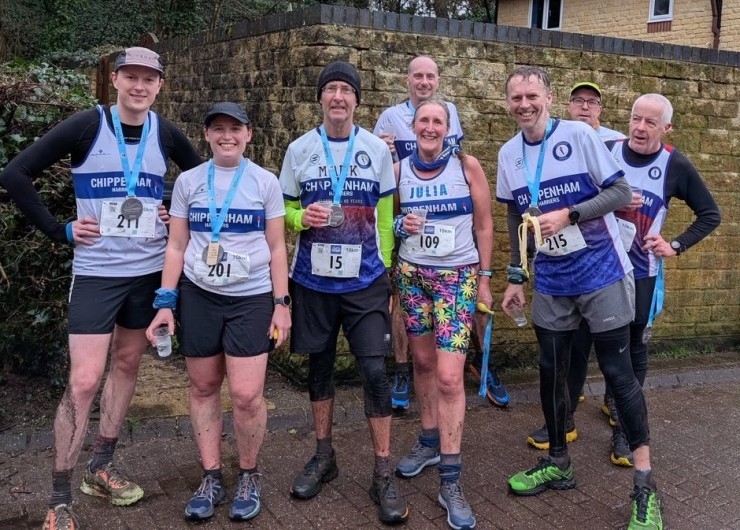
A group of runners from Chippenham Harriers pose for a photo in front of a wall, with medals around their necks.

What did they do?

Mindful of their limited budget, the club focused on identifying several low-cost actions that could have a significant impact. The actions taken to date include:

  • Appointing a green representative

    The first step the club took after speaking with their members was to introduce a new committee position. 

    Similar to a sustainability champion, the green representative leads on all environmental initiatives and actions, encouraging other members to get involved.

    Having this dedicated voice at committee meetings has helped keep the club accountable for their actions.

    Hide
  • Reducing waste

    The club have made a conscious effort to reduce the amount of waste they create. They’re actively:

    • Reselling old or outgrown kit that’s still in a good condition at a low cost. This provides members access to affordable kit and reduces the unnecessary production of new kit. It’s particularly useful for their junior section, as children are constantly growing! The money raised from this is donated to Earthruns, an organisation that plants trees on behalf of the club.
    • Collecting used running shoes from event participants and sending them to JOGON, a campaign dedicated to keeping running shoes out of landfill. JOGON then gifts the shoes on, giving each pair a longer life.
    • Using re-usable signage at their repeated events, including a half-marathon. Investing in reusable signage has helped the club reduce its waste. It has also saved time and money by removing the need to source and purchase new signs.
    Hide
  • Limiting unnecessary travel

    The club have actively sought to reduce unnecessary car travel by:

    • Encouraging members to take part in local running events rather than travelling long distances.
    • Organising a shared coach for events further afield to provide a more sustainable way to travel.
    • Providing opportunities for members to lift share to events and advertising lift sharing opportunities via their social media. This approach has helped reduce carbon emissions and made parking at events easier.
    • Encouraging members to actively travel to and from training sessions, when it’s safe to do so.
    Hide
  • Supporting biodiversity

    To help improve the environment and support wildlife, the club:

    • Organise litter-picking sessions along their regular running routes. To support this, they’ve received free litter-picking equipment from a scheme run by their local council.
    • Run an annual championship where participants earn points based on race results. A donation is then made to Earthruns in the winner’s name, allowing their success to directly support tree-planting initiatives.
    Hide

What’s next?

As a result of their efforts, the club have supported the planting of thousands of trees, reduced emissions from travel and supported a more circular economy.

But they’re not stopping there. They want to go even further, with plans to:

  • Introduce a ‘green’ medal option for future races. Made from recycled paper with insect-friendly wildflower seeds included, these medals will support biodiversity once planted. Traditional medals will still be available for anyone who prefers them.
     
  • Expand their recycling efforts by reaching out to former members, who may have unused kit they’re happy to donate. The club are considering setting up a system for members to recycle or swap their race t-shirts, giving them a second life rather than becoming an unused collectible.
     
  • Explore ways to make their events more sustainable, even with a limited budget. With around 1,500 entrants to their half-marathon alone, small changes could collectively have a big impact.

Top tips

Drawing on their experience, Chippenham Harriers have shared their top tips for other organisations looking to make positive environmental changes.

Think about your audience
It’s important to remember that some people might not understand the importance of, or be passionate about, the environment. Provide opportunities for people to learn why change is important and communicate your decisions with everyone, avoiding making any radical changes without their involvement.
Start slowly
Small changes can have a snowball effect and help to create buy-in from others over time.
Provide alternatives
Offer people environmentally sustainable alternatives, such as green medals or second-hand kit, giving them options they can choose from.
Find other organisations to help
Reach out and connect with other organisations that can support initiatives, provide sustainable materials and products or recommend other actions you can take or offer further help and support along the way.

Find out more

Chippenham Harriers