Skip to content

We understand that, for many clubs and community organisations, environmental sustainability isn’t their main focus.

Volunteers are busy with the day-to-day operations and legal requirements of running an organisation and unable to commit time to making positive environmental change.

Participating in the sports and activities we love relies heavily on us being able to access the natural environment, including green spaces like pitches and playing fields.

These spaces do amazing things for us, our local eco-systems and the environment, so it's important we protect them so we can enjoy them for years to come.

We caught up with Stephen Gardner from Fillongley Cricket Club (FCC) to discuss how they’ve prioritised environmental sustainability and the benefits this has had on their club and wider community. 
About Fillongley Cricket Club

FCC, based in Warwickshire, provide cricketing opportunities to over 100 members at their multi-award-winning venue.

With five senior male teams, one senior female team and a thriving junior section, the club feel they’re in a good place. 

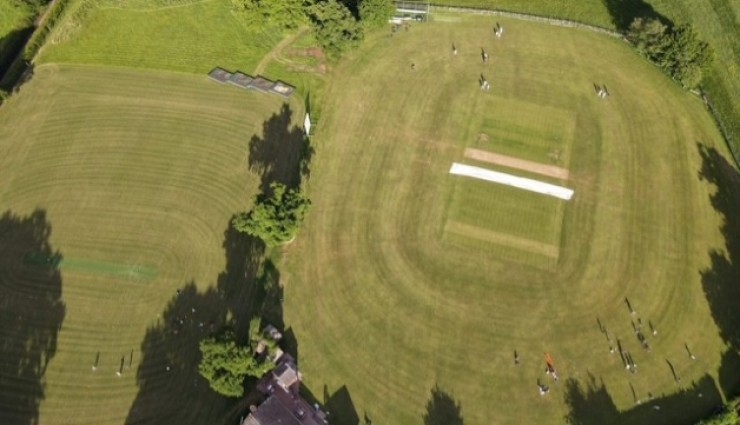
Aerial view of a game at Fillongley Cricket Club, showing the wicket, trees and clubhouse.

FCC’s journey hasn’t always been easy, however. The club have struggled financially with the high costs associated with running a cricket club, they’ve been forced to cancel fixtures when unable to field enough players, and some of their teams have had to play at alternative venues due to the lack of space.

Stephen knew that something had to change and became the driving force behind developing a five-year plan to help enhance the club's offer and be more sustainable.

In 2018, after years of trying, FCC were able to secure a lease for a connecting field, including a pond, with the intention of developing a second cricket pitch.

The expansion of the club was driven by a desire to get all FCC teams playing at the same venue and encourage greater community engagement. 

Their plans sparked concerns as to how a ‘small village cricket team’ planned on funding such a large project and what damage the work may cause to the environment. But the club were determined to make it work.

FCC's environmental actions

To progress with the five-year plan, FCC started building strong relationships with local experts. They initially reached out to the Warwickshire Wildlife Trust (WWT), who surveyed the field and pond and created a development plan for FCC. 

FCC gathered support from key organisations such as their local council, parish council, Warwickshire Cricket Board (WCB), environmental groups and the Highways Agency. 

Building strong relationships enabled FCC to carry out a number of WWT’s suggestions, which included:

  • removing all waste from the pond and starting its regeneration
  • diverting the public footpath which ran across the pitch
  • planting a 30-tree orchard including apple, pear and an endangered black poplar tree
  • planting beech hedges and maintaining them regularly
  • installing solar panels for efficiency, which the WCB helped fund
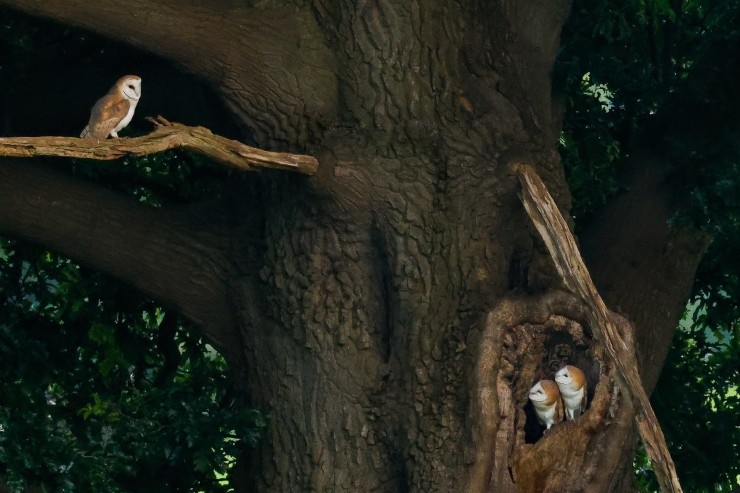
  • creating a wildflower meadow, which has since become a habitat for voles and owls
  • introduced a sustainability sub-committee, who continuously push FCC towards their longer-term goals.

All of these efforts have been driven by FCC’s volunteers and members. The WWT have also been key in providing volunteers through their 'wild work days’ offer

Three barn owls nest in a tree hollow.

Benefits

Since focussing on sustainability, the benefits to FCC have gone far beyond just environmental factors. FCC have: 

Become more financially stable
The introduction of solar panels has significantly reduced their energy bill, allowing them to spend more on club development.
Increased their membership
This has allowed them to fulfil all fixtures, as well as generate additional income from membership fees and clubhouse spending.
Improved community cohesion
With all teams playing at one venue, everyone feels engaged and part of FCC.
Partnered with other organisations
FCC’s commitment to sustainability has been a key influencer in receiving grants and help from local organisations and former members of the club.
Been recognised for their commitment
They’ve won multiple awards and were also shown on UK's stand at the 2025 COP30 Summit in Brazil.
Supported the wider community
The relocation of the footpath has been well received by the community as it now provides a more enjoyable route through nature.

UK at COP30

Challenges

FCC recognise that becoming environmentally sustainable is not an easy task. Some of the challenges they’ve faced have included:

  • finding enough volunteers to carry out maintenance of fields and the wildflower meadow, which can be time-consuming
  • highlighting to members and volunteers that taking care of nature is a long-term process and you may not see the benefits immediately
  • government restrictions on the addition of wind turbines, a project FCC wanted to include in their sustainability plan.
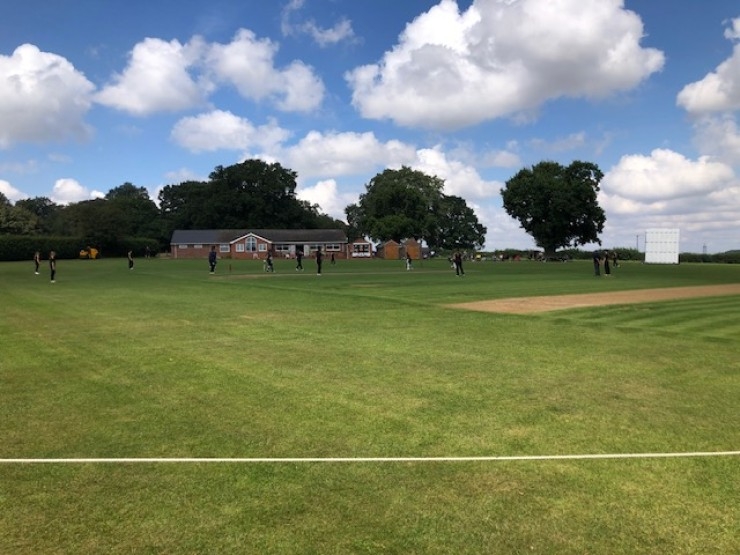
Pitchside view of the wicket at Fillongley Cricket Club.

Looking ahead

FCC’s work towards supporting the environment hasn’t stopped. One member of their club is training to become a beekeeper and they’re looking to install a honey beehive at their club in 2026.

They’re also continuing to offer support to other clubs who may need advice on kickstarting their journeys to becoming environmentally sustainable. 

Top tips

FCC encourage other clubs and groups to take the time to make positive changes for the environment.

The benefits to an organisation can be huge and ultimately support the places and spaces we all rely on to have fun, get physically active and stay socially connected. FCC’s top tips are:

Don’t view money as a barrier
Amazing progress is possible with a proactive mindset and small steps.
Communicate with your organisation
There’s so much knowledge and expertise within your organisation; encourage people to share their ideas to boost collective buy-in.
Build partnerships
This work wouldn’t be possible without building strong relationships, such as those with national governing bodies, wildlife trusts and local councils.
Celebrate your success
The awards and promotion FCC have received have played a crucial role in securing funding for future developments.

Map of wildlife trusts