Skip to content
An instructor helps a young girl in a gymnastics class

Everyone should be able to take part in sport and physical activity, knowing that those around them, and supporting them, are able to keep them safe and prioritise their wellbeing.

It’s everyone’s responsibility to safeguard and look after one another, so it’s crucial individuals understand both how to prioritise their own safety and wellbeing and the importance of children and young people’s and adults' voices in promoting further support and safer culture measures.

Organisations, clubs and groups delivering sport and physical activity have a responsibility to ensure the safety, welfare and wellbeing of their people.

There are, however, differences in the actions that organisations are required to take to support and protect people from harm or abuse.

The following guidance has been developed with the support of Sport Welfare Officers and national governing bodies, and adapted from the wellbeing and welfare toolkit from the NWG network; please explore this resource for more detail and support. 

What’s safeguarding?

Safeguarding is the process and actions taken to protect children and young people and adults from harm and abuse.

It’s everyone’s responsibility and requires people to actively work together to prevent abuse, neglect and exploitation.

It’s important that everyone understands their role and responsibilities in safeguarding and follows their organisation’s policy and procedures to create safer environments, activities and organisations where everyone can enjoy the benefits of sport and physical activity.  

Group of children walking to school

What’s welfare?

Welfare is about ensuring that participants, volunteers, coaches and everyone else at your organisation, club or group are treated with dignity, respect and fairness in the interest of their physical and mental wellbeing.

It relies on meeting the needs of those in your organisation and developing appropriate environments that people can thrive and be safe within.

This means that everyone, regardless of their personal characteristics or protected characteristics, feels safe, supported and included. It involves a proactive approach to ensure your settings and activities are accessible and not discriminatory. 

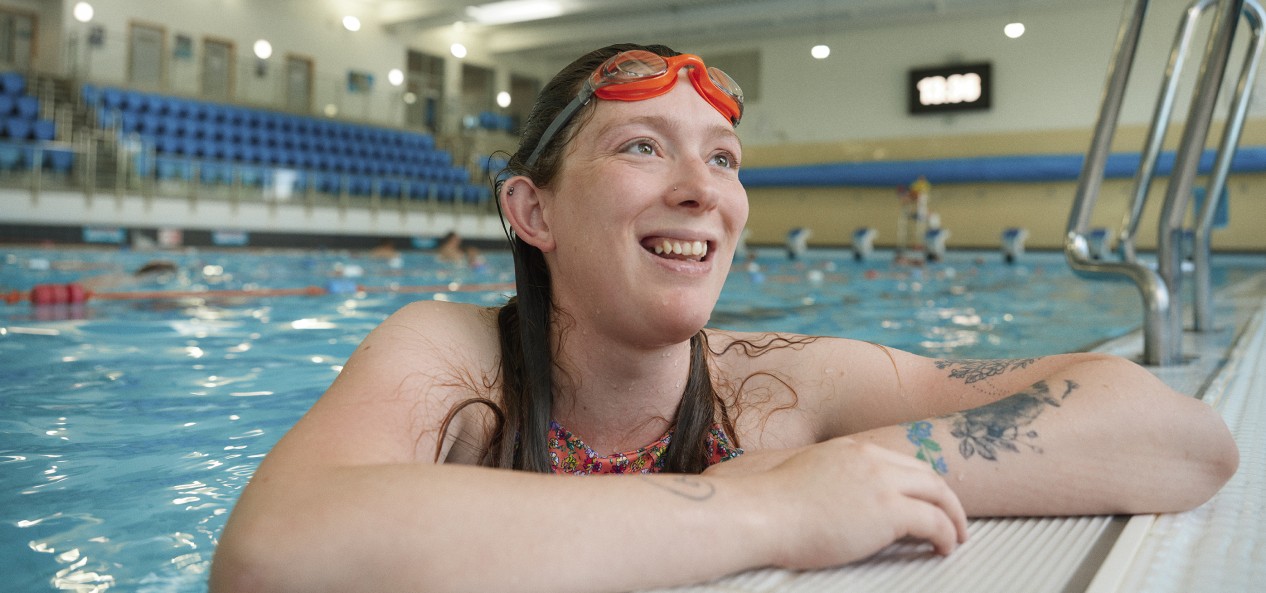
A female swimmer smiles as she leans on the side of the pool.

What’s wellbeing?

Wellbeing refers to a person’s overall state of health, happiness, and fulfilment. This includes their emotional, social and mental health as well as their physical health.

Looking after wellbeing can improve a person’s quality of life and support them to become more engaged in your activities.

For organisations, clubs and groups, this can mean focussing on creating environments where participants can be themselves and thrive.

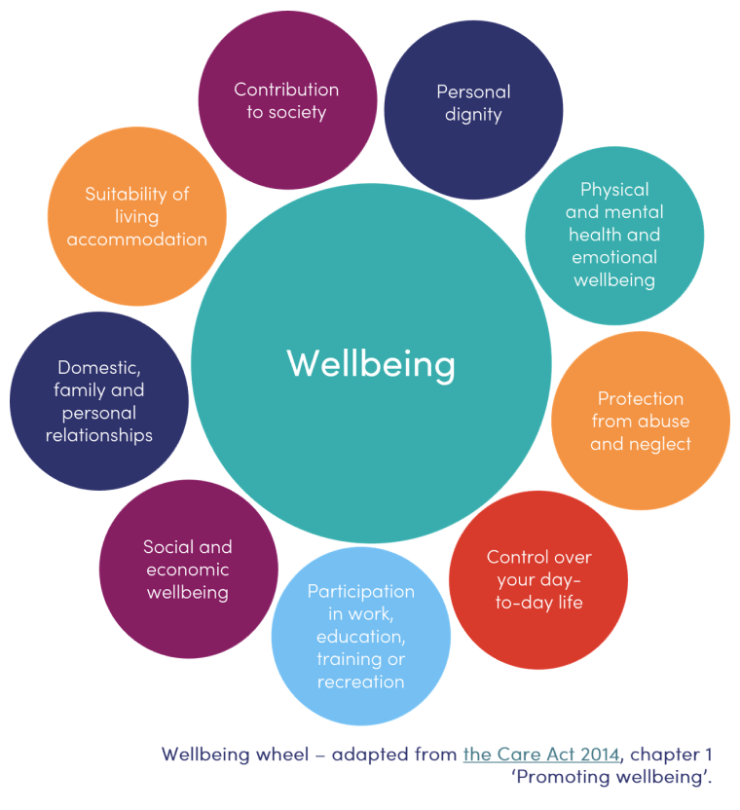
Wellbeing wheel graphic adapted from the Care Act 2014, featuring the word 'wellbeing' in a large circle, surrounded by smaller circles labelled with the following text: contribution to society; personal dignity; physical and mental health and emotional wellbeing; protection from abuse and neglect; control over your day-to-day life; participation in work, training, education or recreation; social and economic wellbeing; domestic, family and personal relationships; suitability of living accommodation.

Mind’s mental health and physical activity toolkits can help you to understand how to support your participants’ mental health.

Mind are a mental health charity committed to supporting those with mental health problems and educating others on how to do so. 

The wellbeing wheel, pictured left, is helpful to understand the individual aspects of wellbeing in relation to adults from the Care Act 2014

When wellbeing needs are unable to be appropriately met within your organisation, there are a number of external channels that can support the individual or help to upskill your organisation to meet these needs in the future (please see further guidance below).

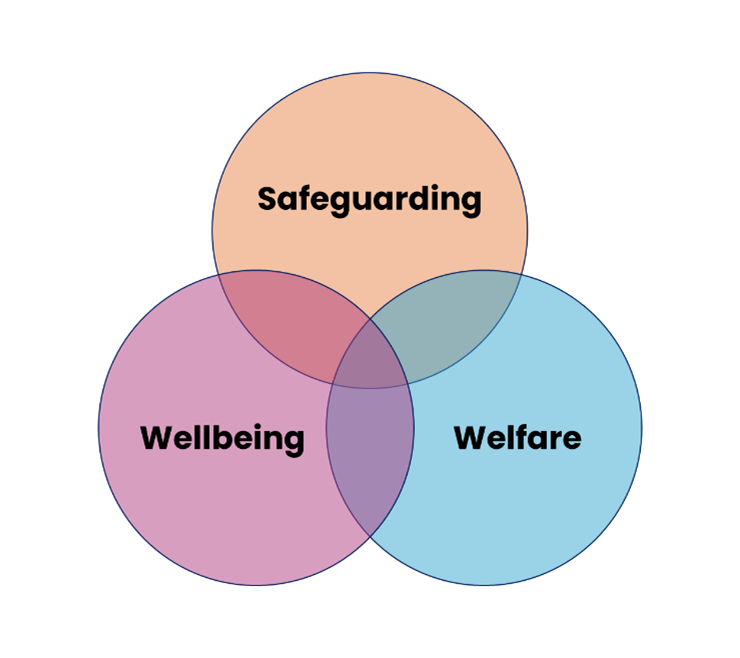
Three overlapping circles, each with a different word at their centre: safeguarding, welfare, wellbeing.

Linking the terms

While safeguarding, welfare and wellbeing are different concepts, they’re closely related and support one another:

  • Safeguarding protects individuals from harm and abuse and ensures that organisations are taking action to prevent and respond to abuse, neglect and discrimination; in turn, this prioritises individuals’ welfare and creates spaces for positive wellbeing.
     
  • Welfare provides the foundation of care and support needed to ensure people feel physically and emotionally safe. This also includes their safety and wellbeing.
     
  • Wellbeing focuses on supporting the whole person, ensuring that their mental and physical health is prioritised. Safeguarding and welfare will always be considered alongside this and acted upon in any situations that risk or harm someone’s wellbeing. 

Useful safeguarding and welfare contacts

Explore if your club or group have an identified welfare officer and contact them for more information or support if you’re comfortable to do so. If your organisation needs to fill this position, our role template can support you. 

All national governing bodies have a safeguarding team or person who can offer support and advice for their specific sports. Their contact details are available on the CPSU website

For more information on safeguarding adults, visit the Ann Craft Trust and, for safeguarding children, explore the support provided by the Child Protection in Sport Unit

Sport Welfare Officers

The Sport Welfare Officer (SWO) Network, led by the Active Partnership Network, assists and supports welfare and safeguarding volunteers.

There are SWOs in every region in England. They’re available to help your organisation to create safe environments and improve experiences for your participants by: 

1
Providing on-the-ground, local support and advice on safeguarding and welfare.
2
Working with you to create a positive and safe culture.
3
Facilitating local safeguarding training, events and networks so you’re informed and connected as welfare volunteers.
4
Signposting you to helpful guidance and sharing best safeguarding practices.

Reach out to your local SWO to see how they could help you